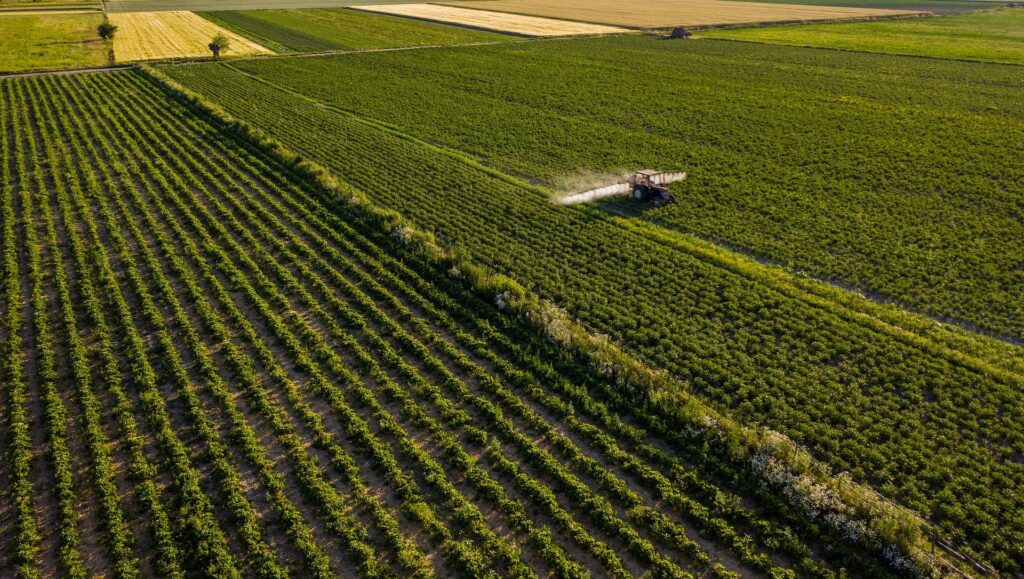

Michigan Leads the Nation in Farm Real Estate Value Surge

Michigan Farm Appraisals Rise
Michigan Farm Valuations

Michigan Leads the Nation in Farm Real Estate Value Surge — What It Means for Appraisals and Landowners

August 2025 brought significant news for agricultural landowners, lenders, and appraisers: Michigan saw the sharpest increase in farm real estate values in the entire country, according to the USDA’s 2025 Land Values report. At $6,800 per acre, Michigan’s average farm real estate value jumped 7.8% in just one year—nearly double the national average of 4.3%.

For valuation professionals and landowners alike, this surge highlights several critical dynamics in today’s agricultural real estate market.

What’s Driving Michigan’s Agricultural Growth?

Michigan didn’t just top the charts in overall farmland value increases—it also came in second for cropland appreciation, with an 8.2% rise to $6,350 per acre. The USDA attributes these sharp increases to a mix of factors:

  • Specialty crop demand

  • In-migration trends (urban to rural)

  • Increased development interest in rural regions

These factors combined have elevated demand for Michigan farmland, including properties previously considered marginal or lower-tier.

As valuation experts, AgValue Consulting closely monitors these regional drivers to ensure accurate and timely appraisals. In this case, even subtle demographic or policy shifts may be inflating perceived land value, creating ripple effects across farm financing, investment, and estate planning strategies.

Land Value Appreciation Slows—But Still Hits Records

While no states recorded double-digit growth this year, Michigan’s gain far outpaces national trends. However, experts note a broader deceleration compared to the boom seen from 2021–2022, when commodity prices and federal aid programs fueled an 11.7% nationwide land value surge.

According to the American Farm Bureau Federation’s Daniel Munch, slower appreciation is a double-edged sword:

“Slower equity growth limits producers’ ability to leverage land as collateral for loans, while lenders may grow more cautious if they anticipate stagnation or decline in land markets.”

This underscores the importance of independent, accurate valuations during refinance applications, estate settlements, and acquisitions. Banks and landowners should be cautious not to rely solely on headline figures and instead obtain current market appraisals tailored to local and commodity-specific data.

Pastureland and Cash Rent Trends in Michigan

Michigan pastureland also rose 4.4% to $3,100 per acre, further strengthening rural land values across sectors. However, average cash rents in Michigan dropped slightly, declining 0.7% to $151 per acre. This slight decrease diverges from the national trend, where rents inched up to $161 per acre.

Why the disparity? Rents tend to lag behind land values due to lease timing and fluctuating commodity markets. Landowners expecting rent increases may not see adjustments until 2026 or beyond, especially in areas with weaker tenant competition or high vacancy rates.

What This Means for Farm Appraisals and Valuations

At AgValue Consulting, we work with landowners, attorneys, lenders, and investors to provide reliable and defensible agricultural appraisals. The data from this USDA report brings several key takeaways:

1. Current Appraisals Are More Critical Than Ever

With volatility in both market conditions and federal policy, historical valuations are no longer adequate. Whether you’re refinancing, settling an estate, planning a sale, or purchasing new ground, an updated appraisal grounded in local realities is essential.

2. Equity and Lending Strategies Must Be Reevaluated

The land value surge could open opportunities for landowners to tap into higher equity—but banks are becoming more conservative. Lenders need independent valuations they can trust, and landowners must be aware of the difference between appraised value and market speculation.

3. Beginning Farmers Face New Barriers

High land values—combined with stagnant cash rents—tighten margins and create uphill battles for young producers and tenant farmers. Policymakers, lenders, and conservation trusts may need to revisit strategies for supporting the next generation of agriculture.

Looking Ahead: Policy vs. Profitability

While land values are rising, the underlying fundamentals are less rosy. As Munch pointed out, much of the recent support comes from federal disaster relief and economic aid, not strong commodity prices or rising farm income.

This imbalance introduces new risks for appraisers and landowners alike: Will values continue to rise without long-term profitability? How do we assess land value in areas where income potential is declining, but development pressure is increasing?

Final Thoughts

Michigan’s land value spike is not an isolated event—it reflects broader trends impacting farm valuations across the country. For lenders, legal professionals, and landowners, this data is a wake-up call to reexamine assumptions, update appraisals, and prepare for a future where policy, not price, may play a larger role in shaping rural land markets.

If you’re buying, selling, leasing, or disputing farmland in today’s changing environment, AgValue Consulting is here to provide the trusted, expert guidance you need.

📞 Contact us today for a consultation or to schedule your next agricultural appraisal.

How Can I Increase My Farms Appraisal Value

Increase Farms Appraisal Value

How Can I Increase My Farms Appraisal Value

Increasing the appraisal value of your farm involves a multifaceted approach, focusing on infrastructure improvements, equipment efficiency, land use optimization, revenue diversification, and the adoption of sustainable practices. AgValue Consulting offers comprehensive strategies to help farmers increase the value of their agricultural properties.

TLDR:

  • Invest in infrastructure and technological upgrades to boost farm value.
  • Improve equipment efficiency and implement modern farming practices.
  • Optimize land use to increase productivity and sustainability.
  • Diversify revenue streams through innovative agricultural activities.
  • Implement sustainable practices to enhance long-term farm value and appeal.

Infrastructure Improvements Are Key

Upgrading farm infrastructure is a cornerstone in increasing appraisal value. This includes renovating buildings, improving fences, modernizing irrigation systems, and maintaining access roads. By investing in durable and efficient infrastructure, farmers can significantly enhance the operational effectiveness and aesthetic appeal of their farms, leading to a higher appraisal value.

Equipment Efficiency and Modernization

Modernizing farm equipment and ensuring its efficient operation are vital for maximizing productivity and increasing appraisal value. Regular maintenance, adopting advanced technologies like GPS for precision farming, and training personnel in equipment operation are crucial steps in this process.

Land Use Optimization

Efficient and sustainable land management practices such as crop rotation, intercropping, and integrated livestock systems play a key role in maximizing land productivity and ecological health, thereby increasing the farm’s appraisal value.

Revenue Stream Diversification

Expanding the farm’s income sources through ventures like agritourism, direct marketing at farmers markets, and online sales of value-added products can substantially increase the financial stability and marketability of the farm, reflecting positively in its appraisal value.

Sustainable Farming Practices

Implementing sustainable farming practices, including water conservation, renewable energy usage, and integrated pest management, not only demonstrates environmental stewardship but also contributes to the long-term viability and value of the farm.


Frequently Asked Questions


How does enhancing biodiversity affect my farm’s appraisal value?

Enhancing biodiversity on your farm improves ecosystem health, leading to more sustainable and productive agricultural practices, which can increase the farm’s appraisal value.

Are there financial incentives for implementing sustainable practices on my farm?

Yes, various tax incentives, grants, and credits are available to encourage sustainable practices in agriculture, which can improve farm efficiency and value.

What are effective ways to improve the aesthetics of my farm?

Improving farm aesthetics through landscaping, building upkeep, and infrastructure improvements can significantly enhance its appeal and appraisal value.

How can technology and data analytics increase my farm’s value?

Utilizing technology and data analytics helps in optimizing farm operations, improving yield efficiency, and making informed management decisions, all of which can increase the farm’s appraisal value.

What funding opportunities exist for diversifying farm revenue?

Various grants and funding programs are available to support farmers in diversifying their income, such as through agritourism, organic farming, or renewable energy projects, thereby enhancing the farm’s overall value.

By following these strategies, farmers can effectively increase their farm’s appraisal value, positioning themselves for better financial stability, loan accessibility, and investment attractiveness. AgValue Consulting provides expert guidance in navigating these enhancements, ensuring that farmers can achieve the best possible outcomes in appraising and enhancing their agricultural properties.

Can an Agribusiness Appraisal Help With Securing Loans

Impact of Agribusiness appraisal on funding and investments

Can an Agribusiness Appraisal Help With Securing Loans or Investments?

Agribusiness appraisals are vital for securing loans and investments, offering detailed insights into the financial viability and risks of agricultural businesses. AgValue Consulting highlights the importance of these appraisals, which encompass an analysis of market value, income potential, and risk assessment. Such evaluations enable lenders and investors to make informed decisions, shaping the success of financial engagements in the agribusiness sector.

TLDR:

  • Agribusiness appraisals are key to informed financial decision-making in agriculture.
  • They assess factors like market value, income potential, and risks.
  • Essential for setting fair loan terms and understanding investment prospects.
  • Appraisals draw on soil quality, location, infrastructure, and market dynamics.
  • Accurate and comprehensive appraisals enhance loan and investment opportunities.

The Importance of Agribusiness Appraisals in Finance

Understanding the financial underpinnings of agribusiness ventures is essential for securing loans and attracting investments. AgValue Consulting points out that appraisals dissect elements critical to financial success, providing a solid basis for fair loan terms and investment decisions. This analysis helps in navigating the financial intricacies of the agricultural sector, ensuring sustainable and profitable operations.

Factors Affecting Appraisal Value

The appraisal process considers a spectrum of factors that influence the financial standing of agribusinesses, including:

  • Market Trends: Evaluating economic conditions affecting commodity prices and demand.
  • Operational Efficiency: Assessing the effectiveness and sustainability of farming practices.
  • Regulatory Landscape: Understanding the impact of environmental and land-use regulations on business viability.

Benefits of Agribusiness Appraisals for Your Financial Interests

Thorough appraisals are indispensable for achieving financial stability and growth in agribusiness. They facilitate:

  • Determining equitable loan terms based on the farm’s financial health.
  • Attracting investors by presenting a clear picture of risk and return.
  • Enhancing business strategies with precise, data-driven financial insights.

Appraisal Techniques and Strategies

AgValue Consulting employs various methodologies in agribusiness appraisals to ensure a nuanced and accurate financial analysis:

  • Income Approach: Gauging the revenue-generating capability of agricultural activities.
  • Cost Approach: Calculating the investment needed to replicate the agribusiness assets.
  • Market Approach: Benchmarking against similar entities to determine market positioning.

These methods are complemented by a strategic emphasis on in-depth analysis and leveraging technological advancements to refine appraisal accuracy and reliability.

Maximizing the Impact of Agribusiness Appraisals

To fully capitalize on agribusiness appraisals, a proactive and detailed approach is necessary. AgValue Consulting advocates for:

  • Utilizing cutting-edge technologies and market data to enrich the appraisal process.
  • Integrating sector-specific expertise to contextualize financial evaluations.
  • Ensuring that appraisals reflect the true potential and challenges of agribusiness ventures.


Frequently Asked Questions


How Do Agribusiness Appraisals Facilitate Financial Strategy and Planning?

Agribusiness appraisals underpin financial strategy and planning by offering a clear understanding of the property’s value, guiding loan negotiations, and investment decisions.

What Regulatory and Compliance Aspects are Critical in Agribusiness Appraisals?

Regulatory compliance, including adherence to standards like USPAP and specific agribusiness valuation guidelines, ensures that appraisals are accurate, reliable, and legally sound.

Can Appraisals Reflect the Future Profitability of Agricultural Enterprises?

Yes, through detailed analysis of market trends, operational efficiency, and asset value, appraisals can project the future profitability and sustainability of agricultural enterprises.

How Does Technological Integration Enhance Agribusiness Appraisal Accuracy?

Technology, such as geographic information systems (GIS) and remote sensing, plays a pivotal role in enhancing the accuracy and depth of agribusiness appraisals, offering detailed insights into the physical and financial aspects of agricultural properties.

In What Ways Do Agribusiness Appraisals Support Succession Planning?

Agribusiness appraisals provide a factual basis for succession planning, ensuring equitable asset distribution, aligning with financial goals, and facilitating smooth generational transitions in family-owned agribusinesses.

AgValue Consulting emphasizes the critical role of agribusiness appraisals in securing financial stability and advancing investment opportunities in the agricultural sector, ensuring that stakeholders are equipped with the knowledge and insights needed for informed decision-making and long-term success.