Author: galenarc

  • Impact of Africanized Honeybees on Agricultural Appraisals and Valuation Values

    Impact of Africanized Honeybees on Agricultural Appraisals and Valuation Values

    Africanized Honeybees

    Africanized Honeybees Detected in Alabama

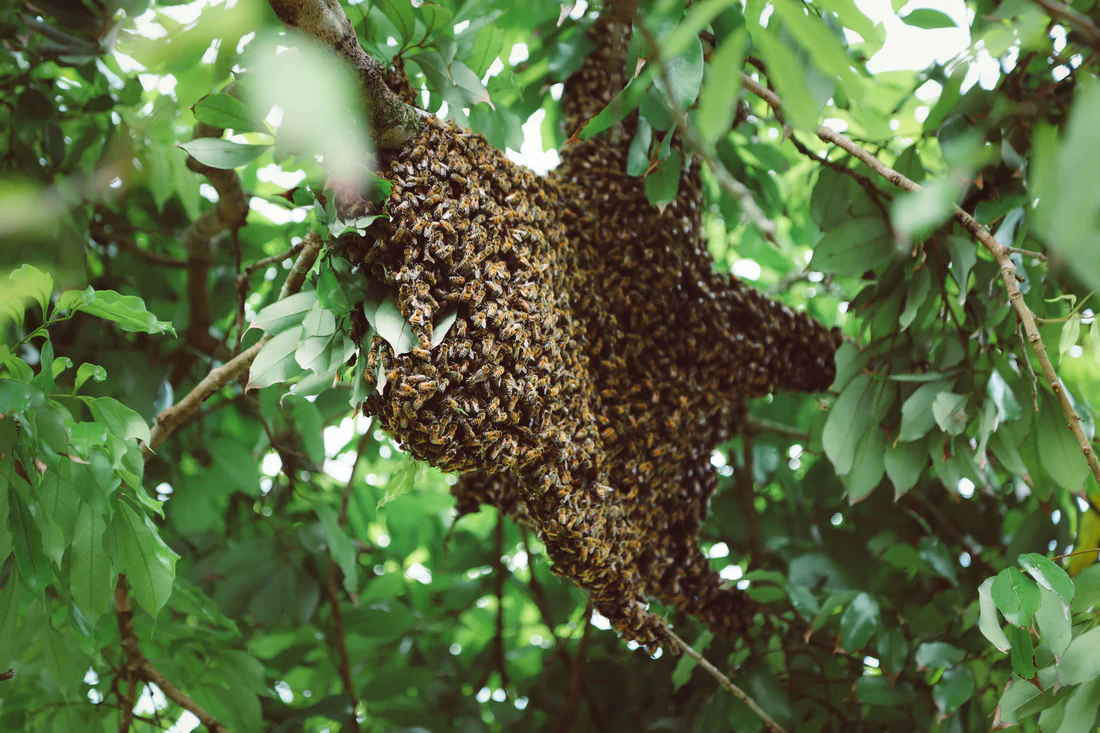
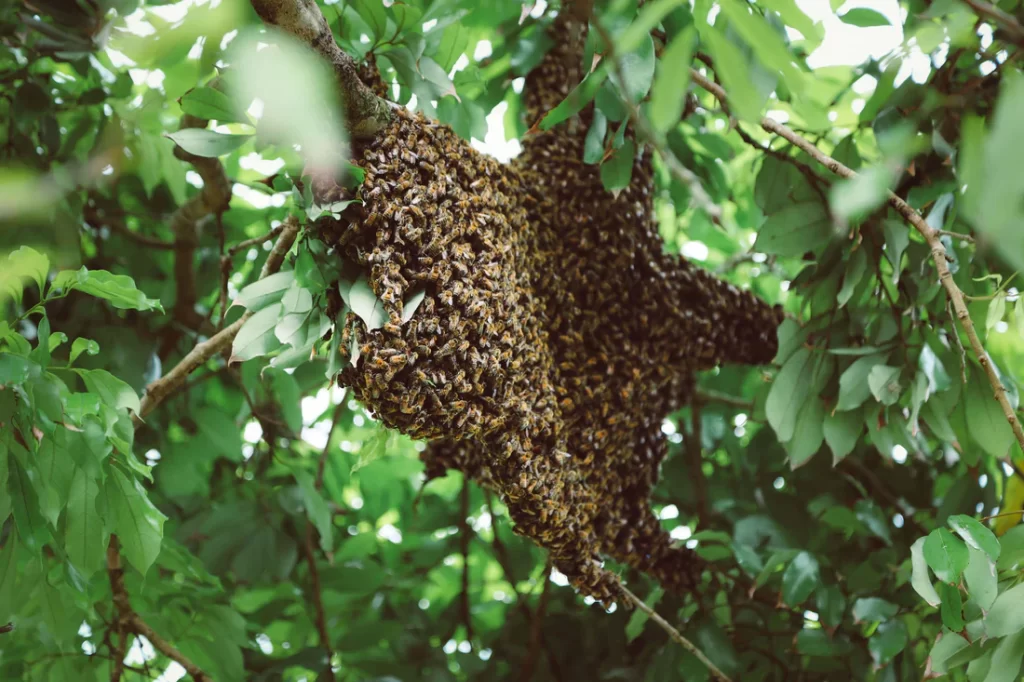
    The Alabama Department of Agriculture and Industries has confirmed the presence of Africanized Honeybees (AHB) in Jackson and St. Clair Counties. These bees, known for their aggressive behavior, were found in feral swarms and have been euthanized to prevent them from endangering local bee populations and residents. The state is taking serious measures to monitor and control the spread of these bees by setting traps and conducting further investigations to understand the extent of the infiltration. This situation poses a unique challenge to agricultural safety and the ecological balance in affected areas.

    Impact of Africanized Honeybees on Agricultural Appraisals and Valuation Values

    The presence of Africanized Honeybees (AHB) in an area can have several implications for agricultural property appraisals and valuation values. At AgValue Consulting, we consider several key factors on how these aggressive bees could potentially affect the agricultural landscape:

    Increased Management Costs: The aggressive nature of AHB requires more intensive management strategies to ensure safety and prevent them from overtaking European Honeybee (EHB) populations, which are less aggressive and more beneficial for crop pollination. Increased costs may come from enhanced beekeeping practices, specialized equipment to handle AHB, or even increased insurance premiums to cover the added risks. These expenses can reduce the net profitability of agricultural operations that rely on bees for pollination, ultimately affecting property values.

    Pollination Services: AHB are effective pollinators, but their aggressive behavior might deter their use in proximity to populated areas, limiting their utility in agricultural settings. If AHB displace more docile and manageable bee populations, this could disrupt pollination services for crops, potentially reducing yields and negatively impacting the valuation of crop-producing properties.

    Land Usability and Value: The presence of AHB can make certain lands less desirable for agricultural use, especially for activities that involve frequent human and animal presence. This perceived risk can decrease land attractiveness, lower land use options, and thus reduce property values. Potential buyers or investors might be cautious, leading to longer sales cycles or decreased marketability of affected properties.

    Market Perception and Investment: Public perception and market awareness of AHB risks can influence investment decisions. Properties known to be in affected areas might see a dip in investment interest, as stakeholders consider the long-term implications and costs associated with managing or eradicating the invasive bee population.

    Regulatory and Compliance Costs: States may implement new regulations and compliance requirements for managing AHB, including mandatory reporting, specific control measures, and habitat modifications to deter AHB colonization. Complying with these regulations can incur additional costs and operational changes, impacting the financial performance of farms and agricultural businesses.


    Consult AgValue Consulting for Expert Appraisal Services

    Understanding the full implications of environmental factors such as the presence of Africanized Honeybees on property values can be complex. At AgValue Consulting, we specialize in providing detailed agricultural appraisals that consider all aspects of regional agricultural dynamics, including such ecological and market influences. If you own agricultural property in Alabama or are considering investing, and need a thorough valuation that takes into account the latest challenges, including those posed by Africanized Honeybees, contact us. Our team of experts is equipped to offer you the insights and detailed analysis needed to make informed decisions.

    For comprehensive and reliable agricultural appraisal services in Alabama, reach out to AgValue Consulting. Let our expertise guide you through the complexities of agricultural valuation in a changing environment. Contact us today to secure your investment and optimize your agricultural strategies.

  • Improving Farm Production With Automated Systems

    Improving Farm Production With Automated Systems

    Farm Automation Processes

    At AgValue Consulting, we understand the crucial role that automated systems play in optimizing farm production, especially in the poultry industry. Investing in automated systems is vital for farmers looking to revolutionize their productivity and efficiency. With advancements in technology like drones and sensors, these systems can significantly enhance farm operations.
    Our expertise in poultry farm consulting positions us as authorities in guiding farmers on selecting the most suitable automated systems for their specific needs and budget targets. By implementing these systems, farmers can reduce labor costs, improve decision-making processes, and benefit from real-time monitoring capabilities.
    The result? Increased crop yields, improved market competitiveness, and overall enhanced farm performance.
    Join us for deeper insights on how automated systems can transform your poultry farm operations and drive sustainable growth.

    Key Takeaways

    • Assess the specific needs of the farm to identify tasks suitable for automation.
    • Choose automation technology that will fulfill current and future needs, considering both hardware and software solutions.
    • Invest time in training staff to ensure they are familiar with the new automated systems.
    • Regularly monitor and adjust system performance using real-time data and analytics.
    • Be aware of challenges such as initial investment costs and data security concerns when implementing automated systems.

    Understanding Automated Farming Systems

    While you may be familiar with traditional farming methods, it’s important to understand how automated farming systems can revolutionize agriculture, optimizing productivity and efficiency. Let’s explore further. These systems use cutting-edge technologies, like drones, sensors, and GPS, to monitor and manage your farm.
    Imagine you’re sitting at home, and with a few taps on your smartphone, you’re controlling your irrigation system, checking soil conditions, or tracking livestock movements. That’s the level of control automated farming systems can give you. They’re designed to minimize manual labor, increase accuracy, and maximize yield.
    But it’s not just about convenience. Automated farming systems can also help you make better decisions. They collect vast amounts of data, which can be analyzed to provide insights into your farm’s performance. This means you can spot potential problems before they become major issues, and adjust your strategies based on real-time information.
    In essence, automated farming systems are like having a super-smart farmhand who’s always on duty, providing you with valuable insights and freeing up your time. They’re transforming the way we farm, making agriculture more sustainable, productive, and profitable. It’s a game-changer, and understanding it’s the first step to harnessing its potential.

    Evaluating Your Farms Needs

    Prior to diving into the realm of automated farming, it’s crucial to assess your farm’s specific needs and goals. Start by identifying the areas where automation could offer the most benefit. Are there tasks that consume a lot of your time or that are particularly labor-intensive? These are prime candidates for automation.
    Next, consider your budget. Implementing automated systems can be costly up-front, but they often pay for themselves in the long run through increased efficiency and reduced labor costs. Weigh the potential benefits against the initial investment to see if it makes financial sense for your operation.
    Finally, think about your long-term plans.

    1. Do you plan to expand your farm in the future?
    2. Do you want to diversify your crops or livestock?
    3. Are there changes in the industry that you’ll need to adapt to?

    Each of these factors will influence the type of automation systems that will best serve your needs. By carefully evaluating your farm’s needs and goals, you’ll be better equipped to make informed decisions about implementing automated systems. Remember, technology is a tool to help you achieve your farming goals, not an end in itself.

    Choosing the Right Technology

    Having assessed your farm’s needs and set clear goals, it’s now time to select the most suitable technology that will streamline your operations effectively. The technology you choose shouldn’t only fulfill your current requirements but also be adaptable to future needs. Don’t rush into buying the latest tech. Instead, prioritize what’ll bring you the most value.
    Consider technologies that automate repetitive tasks. For instance, precision farming technologies such as GPS guidance systems can notably increase efficiency. On the flip side, if livestock management is a challenge, consider investing in automated feeding or milking systems.
    However, it’s not all about hardware. Software solutions, like farm management software, can help you plan, monitor, and analyze your operations. These digital tools can enhance decision-making, offering insights into yield optimization, pest management, or resource allocation.

    Implementing Automation Step-by-step

    To successfully implement automation on your farm, start with small, manageable steps instead of trying to automate everything at once. This approach guarantees you’re able to handle the changes and identify any potential issues early on.

    1. Start with a Pilot Project: Select a single process that could benefit from automation. It could be anything from automated irrigation to self-driving tractors. This pilot project will give you an idea of what to expect when fully automating your farm.
    2. Evaluate and Adjust: After implementing the pilot, assess its performance. Is it improving productivity? Are there any unforeseen challenges? Based on your findings, make necessary adjustments. Remember, it’s okay to go back to the drawing board.
    3. Expand Gradually: Once you’re confident with the results of your pilot project, gradually implement automation in other parts of your farm. This gradual expansion allows for continuous learning and adjustment.

    Training Staff on New Systems

    After successfully automating a portion of your farm operations, it’s important to invest time in training your staff on how to use these new systems effectively. Don’t assume everyone will understand the technology immediately; it’s a learning curve for everyone.
    Firstly, make sure you’re well-versed with the systems. You can’t teach what you don’t know. Familiarize yourself with every aspect of the automation process. Get comfortable with the systems and their functions.
    Next, organize training sessions for your staff. These sessions should be interactive and practical. Remember, the goal isn’t to get them to memorize steps, but to understand the system, its functions, and how it contributes to greater farm efficiency.
    Also, consider creating a reference manual. This guide will serve as a practical tool for your staff to refer back to if they get stuck. It’s also a handy tool when you bring new staff on board.
    Lastly, be patient. Some might grasp the concepts faster than others, but don’t rush the process. Each staff member plays an essential role in the successful implementation of the new systems. Training your team well is an investment that will yield dividends in optimized farm production.

    Monitoring and Adjusting System Performance

    Keeping a keen eye on system performance and promptly making necessary adjustments is a key step in ensuring your farm’s automated systems work efficiently. Regular monitoring helps you identify any hitches before they escalate into significant problems. Just like a well-oiled machine, your farm’s automated systems need constant supervision and fine-tuning to deliver top-notch results.
    Here are some tips to guide you:

    1. Embrace Real-Time Monitoring: Utilize software that allows you to monitor your automated systems in real-time. You’ll promptly catch any anomalies, be it a drop in efficiency or a sudden malfunction, and take immediate corrective measures.
    2. Perform Regular System Checks: Don’t wait for a system failure to act. Regular checks help you identify potential issues before they become costly problems. This proactive approach will save you time and money in the long run.
    3. Utilize Analytics: Harness the power of data. With the right analytics, you can spot trends, predict potential issues, and make informed decisions about system adjustments.

    Benefits of Farming Automation

    Harnessing automation in farming can revolutionize your operations, offering a host of benefits that enhance productivity and profitability. You’ll find that automated systems minimize labor costs as tasks such as planting, watering, and harvesting can be performed by machines. This not only reduces the amount of physical labor needed, but also speeds up the farming process.
    Automation also improves accuracy in farming tasks. For example, GPS-guided tractors can apply fertilizers and pesticides with pinpoint precision. This reduces waste and guarantees that your crops receive the exact care they need. Additionally, automated irrigation systems can assess soil moisture levels and provide just the right amount of water, reducing waste and saving on resources.
    Another significant benefit is increased data collection and analysis. Automated systems can track numerous factors, like weather conditions, crop growth rates, and pest activity, providing essential insights for decision-making. This data can help you optimize your farming strategies, leading to better yields and profitability.

    Frequently Asked Questions

    How Can I Set a Budget for Implementing Automated Systems in My Farm?

    Setting a budget for farm automation involves evaluating your financial situation, understanding the costs of automation, prioritizing needs, setting aside contingency funds, and regularly reviewing and adjusting the budget as needed.

    How Does the Weather Impact the Effectiveness of Automated Farming Systems?

    Weather greatly impacts your automated farming systems. Extreme conditions can damage equipment, while variations in climate affect sensor accuracy. However, you can mitigate these effects by properly maintaining your systems and using weather-resistant gear.

    How Can I Ensure the Safety of My Staff While Operating These Automated Systems?

    To guarantee your staff’s safety while operating automated systems, you’ll need to offer thorough training, use safety gear, establish clear procedures, maintain equipment regularly, and always stay alert for any potential hazards.

    What Are the Environmental Impacts of Using Automated Farming Systems?

    Automated farming systems can greatly reduce environmental impact. They’re more efficient, use less water, and minimize waste. However, they do rely on electricity, which could potentially increase your farm’s carbon footprint if not sourced sustainably.

    Are There Any Specific Insurance Considerations for Farms Using Automated Systems?

    Yes, there are particular insurance considerations. You’ll need all-encompassing coverage for equipment and tech, liability insurance for potential glitches, and business interruption insurance in case system failures halt your farming operations. Consult with an agricultural insurance specialist.

    Conclusion

    In the realm of agricultural advancements, optimizing farm production with automated systems is a strategic move that can significantly enhance efficiency and productivity. By aligning technological solutions with your farm’s specific requirements, you pave the way for streamlined operations and increased output. It’s crucial to carefully select the right technology and gradually integrate it into your farming processes.
    Moreover, providing comprehensive training to your team and vigilantly monitoring system performance are key components for success in this endeavor.
    To further explore how automated systems can elevate your farm’s performance, consider reaching out to AgValue Consulting at 229-499-4534. Our team of agricultural experts specializes in Agricultural Appraisal services and can provide tailored guidance to help you maximize the benefits of farming automation. Embrace the opportunities that technology offers and embark on a transformative journey to unlock your farm’s full potential.

  • Biosecurity Measures for Poultry Health

    Biosecurity Measures for Poultry Health

    Poultry Farm Security

    AgValue Consulting emphasizes the utmost importance of prioritizing biosecurity measures for poultry health, especially for farmers. Implementing strong biosecurity protocols is crucial for farmers to safeguard their poultry flocks from diseases, ensuring optimal production and minimal losses. By prioritizing biosecurity, poultry farmers can protect their livelihoods and investments, ultimately leading to sustainable farming practices and economic stability.

    AgValue Consulting is a leading authority in poultry farm consulting, providing expert guidance and support to farmers in implementing effective biosecurity measures. With their specialized knowledge and experience in the field, AgValue Consulting assists farmers in enhancing their biosecurity protocols, ultimately leading to healthier flocks, increased productivity, and reduced costs associated with disease management. Farmers can rely on AgValue Consulting for comprehensive solutions tailored to their specific needs, ensuring the long-term success of their poultry operations.

    Key Takeaways

    • Biosecurity measures prevent the introduction and spread of diseases, ensuring the health of poultry.
    • They safeguard the global food supply by preventing disease outbreaks that disrupt the poultry industry.
    • Effective biosecurity boosts productivity, promoting economic stability in rural areas reliant on poultry farming.
    • Strong biosecurity measures can prevent human health issues like disease outbreaks and antibiotic resistance.
    • Regular review and customization of biosecurity strategies are essential for each unique poultry farm’s disease management.

    Understanding Biosecurity Measures

    Before diving into the specifics of biosecurity, it’s essential you grasp the general concept and importance of these measures for maintaining poultry health. Biosecurity, in simple terms, is a set of practices designed to prevent the introduction and spread of diseases in poultry. It’s not just about keeping diseases out, but also about managing diseases if they manage to breach your defences.

    The effectiveness of biosecurity measures depends on your understanding and correct application. You can’t just set and forget. You need to regularly review and adjust your strategies as conditions change. Remember, every farm is unique; what works on one may not necessarily work on another.

    It’s important to remember that your role in biosecurity doesn’t stop at your farm’s boundaries. You’re part of a wider community working together to protect the industry. This means sharing information with your neighbors, participating in industry initiatives, and supporting research.

    Biosecurity isn’t just a box to tick; it’s a commitment to the health of your birds, the viability of your farm, and the sustainability of the poultry industry. To put it simply, biosecurity is a necessity, not an option.

    Disease Prevention in Poultry

    While you’re working hard to maintain biosecurity, it’s equally important to focus on disease prevention in your poultry. Implementing preventative measures goes a long way in keeping your flock healthy and productive, reducing the risk of disease spread that can cripple your operations.

    Firstly, a strong vaccination program is essential. Vaccines stimulate the birds’ immune systems, enabling them to resist disease-causing organisms. Ensuring that your birds receive the correct vaccines at the appropriate times is key.

    Secondly, proper hygiene and sanitation practices can’t be overstated. Regularly clean and disinfect the poultry housing and equipment. This includes the feeders, waterers, and nests. Remember, cleanliness wards off disease-causing pathogens.

    Moreover, maintaining a balanced diet for your birds is crucial. Nutrient deficiencies can weaken their immune system, making them more susceptible to diseases. Provide them with a diet rich in proteins, vitamins, and minerals.

    Lastly, regular health checks are essential. Monitor your flock for any signs of illness. Early detection and prompt treatment can prevent the spread of diseases.

    Impact on Global Food Supply

    Beyond maintaining the health of your poultry, these biosecurity and disease prevention measures also play a significant role in safeguarding our global food supply. Consider this: poultry meat is the second most widely eaten type of meat globally, and eggs are an essential source of high-quality protein for many people. If disease ravages a poultry population, it doesn’t just harm the animals and those who raise them; it can also disturb the food supply chain on a global scale.

    Imagine if a serious outbreak occurred, and you’d to cull your birds to prevent disease spread. This wouldn’t just impact your farm; it could potentially influence the price and availability of poultry products worldwide, particularly if the disease reached pandemic levels. In some regions where alternative protein sources aren’t readily available, this could lead to significant nutritional challenges.

    Biosecurity and Rural Economies

    You mightn’t realize it, but strong biosecurity measures can be a game-changer for rural economies reliant on poultry farming. These economies often depend heavily on the success of their poultry farms, and any threat to the health of their birds can have devastating impacts.

    Biosecurity measures provide several key benefits for these economies:

    • *Boosted Productivity*: Healthy birds mean more eggs and meat, leading to higher yields and profits.
    • *Minimized Costs*: Effective biosecurity reduces the need for expensive treatments and decreases losses from sick or deceased birds.
    • *Stability*: By safeguarding against disease outbreaks, biosecurity measures provide a stable environment for farmers, securing their livelihoods and the local economy.
    • *Enhanced Marketability*: Consumers are becoming more health-conscious and prefer products from farms with strict biosecurity measures.
    • *Improved Sustainability*: Sustainable farming practices, including strong biosecurity, ensure the long-term viability of the poultry industry in these rural areas.

    Human Health Implications

    Ever considered how biosecurity in poultry farming directly affects your health? Poultry farms, if not properly maintained, can become breeding grounds for various diseases. Pathogens from these farms can contaminate the air, water, and even the food you consume.

    You’ve probably heard of outbreaks like avian influenza or ‘bird flu.’ This deadly disease can jump from poultry to humans, leading to serious health issues. A strong biosecurity system helps prevent such outbreaks, safeguarding both poultry and people.

    Another concern is antibiotic resistance. Overuse of antibiotics in poultry farming can lead to resistant strains of bacteria. You might think you’re safe because you don’t eat chicken, but resistant bacteria can spread beyond the farm. They can contaminate the environment, or be transferred to other animals and eventually to humans. This can turn a minor infection into a major health crisis.

    In a nutshell, prioritizing biosecurity in poultry farming isn’t just about protecting the birds. It’s also about protecting you. The healthier our poultry farms are, the healthier our community is overall. Improve biosecurity measures today, and you’re investing in your health for tomorrow.

    Enhancing Biosecurity: Future Steps

    So, what can we do to enhance biosecurity in poultry farming for a safer future? You’ll be pleased to know that there are several measures you can take, all aimed at safeguarding your poultry’s health and, by extension, our global food supply chain.

    Here are some steps you can consider:

    • Invest in Staff Training: It’s vital to provide regular training to your workforce. They should be well-informed about the latest biosecurity practices and understand why they’re important.
    • Implement Strict Access Controls: Limit access to your poultry houses. The fewer people and vehicles entering, the less chance of disease transmission.
    • Maintain Cleanliness: Regular cleaning and disinfection of equipment and housing can significantly reduce the risk of disease outbreaks.
    • Vaccination Programs: Vaccinations are an effective way to protect your flock from common diseases. It’s an investment worth making.
    • Regular Vet Checks: Schedule routine veterinary checks. Early detection of any health issue can make a huge difference.

    Frequently Asked Questions

    What Are the Economic Implications of Biosecurity Measures for Individual Poultry Farmers?

    You’ll save money in the long run with biosecurity measures. They prevent diseases, reducing poultry loss and vet costs. Healthy birds also produce more, boosting your profit. It’s an investment in your farm’s sustainability.

    How Does the Implementation of Biosecurity Measures Impact the Cost and Pricing of Poultry Products?

    By implementing biosecurity measures, you’re likely to increase costs, which can lead to higher pricing of poultry products. However, it’s a necessary expense to guarantee the health and safety of your flocks.

    How Do Biosecurity Measures Affect Poultry Health and Productivity in Different Geographical Regions?

    Biosecurity measures greatly enhance poultry health and productivity across different regions. They decrease disease incidence, improving output. However, effectiveness varies due to regional disease prevalence, climate, and implementation practices. So, it’s essential to tailor strategies accordingly.

    Are There Specific Biosecurity Training Programs for Poultry Industry Workers?

    Yes, there are specific biosecurity training programs. They equip you with knowledge and skills to prevent disease spread in poultry farms. You’ll learn about sanitation, controlling visitors’ access, and managing sick birds effectively.

    What Are the Most Common Challenges in Implementing Biosecurity Measures at Large-Scale Poultry Farms?

    You’re likely to face challenges like workers’ lack of knowledge, high costs of implementation, difficulty enforcing protocols at all times, and the scale of operations making it hard to monitor and control disease spread.

    Conclusion

    To effectively safeguard poultry health, prioritizing biosecurity measures is crucial. By implementing these measures, not only are you ensuring the well-being of your birds, but you’re also mitigating the risk of disease transmission, protecting the integrity of the global food supply chain, and bolstering rural economies. Furthermore, enhancing biosecurity measures is imperative for promoting human health and preventing potential zoonotic diseases.

    For expert guidance on optimizing biosecurity measures and enhancing overall poultry health management, reach out to AgValue Consulting at 229-499-4534. Our team specializes in agricultural appraisal services and can provide tailored solutions to meet your specific needs.

    Remember, investing in biosecurity isn’t just about the chickens—it’s about safeguarding the entire agricultural ecosystem. Trust AgValue Consulting to help you prioritize poultry health and ensure a sustainable future for your operations.

  • 5 Biosecurity Strategies for Poultry Farms

    5 Biosecurity Strategies for Poultry Farms

    Poultry Farm Bio Security

    At AgValue Consulting, we understand the critical importance of biosecurity strategies for poultry farms. Disease outbreaks can devastate a farm’s productivity and profitability, making it essential for farmers to prioritize biosecurity measures. As a leading authority in the poultry farm consulting field, we know that implementing key biosecurity strategies is vital for protecting your flock and ensuring the success of your operation.

    To safeguard your poultry farm against disease, it’s crucial to follow best practices in biosecurity. By understanding how diseases are introduced and spread, maintaining strict sanitation practices, implementing proper vaccination programs, controlling visitor access, and monitoring your flock’s health daily, you can significantly reduce the risk of disease outbreaks.

    AgValue Consulting is here to guide you through each step, helping you strengthen your farm’s biosecurity protocols and ultimately improve your farm’s overall health and performance. Stick with us, and together we’ll ensure your poultry farm is well-equipped to thrive in the face of disease challenges.

    Key Takeaways

    • Implement strong farm sanitation practices, ensuring cleanliness of poultry houses and equipment.
    • Establish a proper vaccination program, with regular schedules and correct administration techniques.
    • Control visitor access to the farm, requiring protective clothing and enforcing decontamination protocols.
    • Regularly monitor poultry health, maintain detailed records, and promptly report any signs of disease.
    • Understand and manage disease entry pathways, as part of a continuous biosecurity process.

    Understanding Biosecurity Basics

    To ensure the safety of your poultry farm, it’s crucial to grasp the fundamentals of biosecurity and its significance in preventing disease outbreaks. Biosecurity isn’t just a trendy term; it’s a thorough approach to shield your birds from harmful biological agents. It involves implementing measures that prevent the introduction and spread of disease-causing organisms on your farm.

    Biosecurity isn’t a one-time occurrence; it’s a continuous process that requires your full attention. It’s all about being proactive – don’t wait for a disease outbreak to occur, take steps to prevent it. This entails understanding the various pathways through which diseases can enter your farm. It could be through contaminated feed, water, equipment, or even individuals visiting your farm.

    Effective biosecurity measures aren’t intricate or costly. Simple actions like limiting visitors, cleaning and disinfecting equipment, properly disposing of deceased birds can significantly contribute to keeping your birds healthy.

    Implementing Farm Sanitation Practices

    Implementing farm sanitation practices is a key step in strengthening your farm’s biosecurity measures. Cleanliness isn’t just about appearances; it directly impacts the health of your poultry. So, let’s get down to the nitty-gritty of farm sanitation.

    First, you’ve got to clean the poultry houses thoroughly. This means removing all litter and manure, as well as washing and disinfecting the surfaces. Don’t forget to pay attention to the feeders, drinkers, and other equipment. They can harbor pathogens that could harm your birds.

    Next, control the pests. Rodents, flies, and other pests can carry diseases into your poultry houses. Use traps, baits, and other appropriate methods to keep them away.

    Lastly, manage the waste properly. Manure and litter can be a source of infection if not handled correctly. They should be composted or disposed of safely.

    Implementing Proper Vaccination Programs

    After getting your farm sanitation in check, it’s time to focus on another major aspect of biosecurity – setting up a proper vaccination program for your poultry. Vaccinating your birds is a proactive approach to disease control, helping to boost your flock’s immunity against a variety of illnesses.

    First, you’ll need to understand the specific diseases that pose a threat to your poultry. Research or seek advice from a local veterinarian to identify these. Then, source vaccines that are appropriate and effective against these diseases. Remember, not all vaccines are created equal. Some may offer broader protection, while others might be more specific.

    Next, establish a regular vaccination schedule. Timing is critical; if you’re too late, your birds might already be infected. If you’re too early, the vaccines may not work as effectively. Depending on the vaccine, you might need to administer it via injection, oral drops, or through the bird’s food or water.

    Training is important too. Ensure you or your staff know how to correctly administer the vaccines. Improper handling or administration can render them ineffective or even harm your birds.

    Controlling Visitor Access

    In addition to vaccinations, it’s essential you’re also mindful of visitor access to your poultry farm to prevent disease introduction and spread. Controlling visitor access doesn’t just mean limiting the number of visitors, but also involves implementing specific protocols for those who do visit.

    The first step in your visitor control strategy should be to clearly define your farm’s boundaries. Make sure everyone knows where they’re allowed to go and where they’re not. Signage can be a helpful tool in this.

    Additionally, it’s important to:

    • Establish a check-in process for visitors. This should include recording their contact information and their recent poultry exposure.
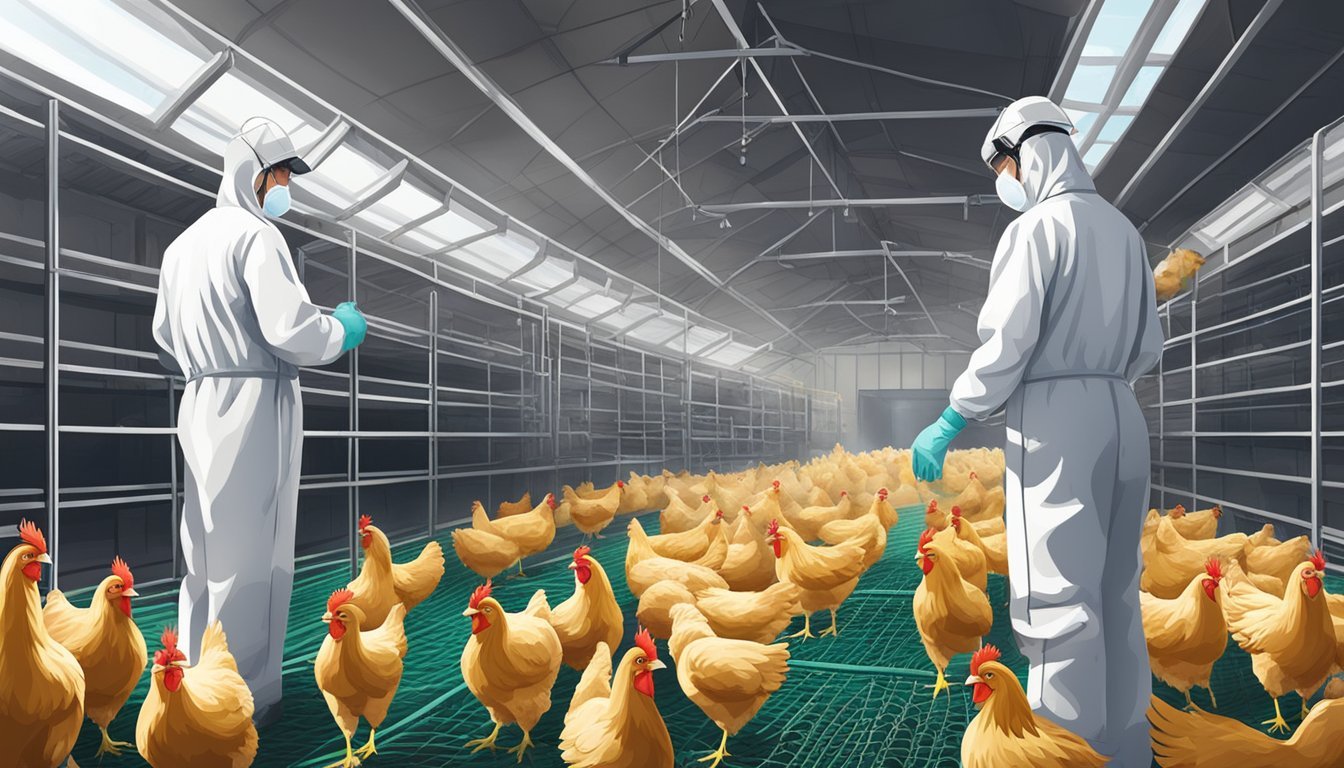
    • Require visitors to wear protective clothing and footwear, which you provide.
    • Implement a decontamination protocol for any equipment brought onto the farm.
    • Restrict visitor access to areas where birds are housed.

    Regular Health Monitoring and Reporting

    Beyond controlling visitor access, it’s equally important to keep a close eye on the health of your birds through regular monitoring and reporting. It’s critical that you closely observe your birds daily for any signs of sickness or distress. Look out for changes in their behavior, eating habits, or physical appearance. Any unusual symptoms could indicate a health problem that needs immediate attention.

    You should also invest in routine veterinary checks. A professional vet can conduct thorough examinations, vaccinations, and disease screenings. They’ll provide expert advice on disease prevention and maintaining peak health. Don’t overlook the importance of maintaining accurate and detailed records of these checks and any treatment administered. This information can help identify patterns, predict potential outbreaks, and guide future decisions on health management.

    In addition, it’s crucial to report any suspicious signs of disease to your local animal health authorities. Timely reporting can help prevent the spread of diseases to other farms, protecting the overall poultry industry. Remember, biosecurity isn’t just about protecting your own farm; it’s about safeguarding the health of poultry farms everywhere. So, stay vigilant, stay informed, and most importantly, stay proactive in your poultry farm’s health monitoring and reporting.

    Frequently Asked Questions

    What Are the Potential Legal Implications of Not Adhering to Biosecurity Strategies on a Poultry Farm?

    If you don’t adhere to certain strategies, you could face legal implications like fines, penalties, or even closure. It’s important to follow regulations to avoid harming public health and the environment.

    How Can Biosecurity Strategies Be Communicated Effectively to All Farm Employees?

    To effectively communicate strategies to all employees, you’d start by establishing regular training sessions. Use clear, simple language and visual aids. Reinforce the message through signage and regular reminders. Always be open for questions and clarification.

    How Does the Implementation of Biosecurity Strategies Impact the Overall Costs of Running a Poultry Farm?

    Implementing these strategies might up your initial costs, but they’ll save you money in the long run. You’ll reduce disease outbreaks, improving bird health and productivity, which ultimately reduces your overall operational expenses.

    What Are Some Common Challenges Faced by Poultry Farms in Maintaining Biosecurity and How Can These Be Overcome?

    You’ll face challenges like disease spread, and ineffective sanitation practices. Tackle these by implementing strict hygiene protocols, quarantine measures for sick birds, and regular staff training on biosecurity measures. Remember, prevention’s always better than cure.

    Are There Any Specific Biosecurity Precautions Needed for Poultry Farms Located in Areas Prone to Certain Diseases or Pests?

    Yes, if your farm’s in an area prone to certain diseases or pests, you’ll need to implement specific biosecurity measures. These may include targeted vaccinations, pest control, and stricter quarantine and decontamination procedures.

    Conclusion

    In conclusion, with a solid grasp of biosecurity fundamentals, you can effectively protect your poultry farm. It’s crucial not to overlook the significance of rigorous sanitation protocols, well-planned vaccination schedules, visitor access regulation, and consistent health monitoring.

    The responsibility lies in your hands to maintain these essential practices diligently. By staying alert and adhering to these strategies, you can ensure a conducive and healthy environment for your poultry operation.

    For any agricultural appraisal needs, feel free to reach out to AgValue Consulting at 229-499-4534. Remember to promptly report any health concerns and uphold stringent biosecurity measures for the continued success of your farm.

  • Revolutionizing Farm Production With Automated Systems

    Revolutionizing Farm Production With Automated Systems

    Poultry Farm Automation

    At AgValue Consulting we are at the forefront of revolutionizing poultry farm production by consulting with poultry farmers to integrate cutting-edge automated systems with traditional farming equipment. This approach is pivotal for farmers as it significantly enhances precision, efficiency, and overall productivity. By leveraging digital sophistication for tasks like planting, harvesting, pest management, irrigation, and fertilization, farmers are empowered with crucial data for making informed decisions.

    The importance of this topic cannot be overstated. Automated systems not only fill labor shortages but also ensure safer operations and higher outputs. Farmers can experience cost savings and streamline their operations by embracing automation in their farms.

     As an authority in the poultry farm consulting, we can offer expertise and guidance to poultry farmers looking to leverage automation for optimal results. The opportunities in poultry farm automation are ripe for exploration, and AgValue Consulting is here to lead the way.

    Key Takeaways

    • Automated systems revolutionize farming by enhancing precision, efficiency, and data collection for informed decision-making.
    • Robotics play a crucial role in modern agriculture, addressing labor shortages and performing tasks like crop health monitoring and heavy farm work.
    • Automated farming provides benefits like increased productivity, worker safety, cost savings, and a future of safer and more productive farming.
    • Successful implementation of farm automation, as seen in Iron Ox, Bowery Farming, and Hands Free Hectare, has resulted in increased production speed, crop consistency, and yield.
    • Future trends in farming automation include self-driving tractors, data-driven decision-making, smart farming integrating sensor data, satellites, and drones, and precision agriculture.

    Understanding Farm Automation

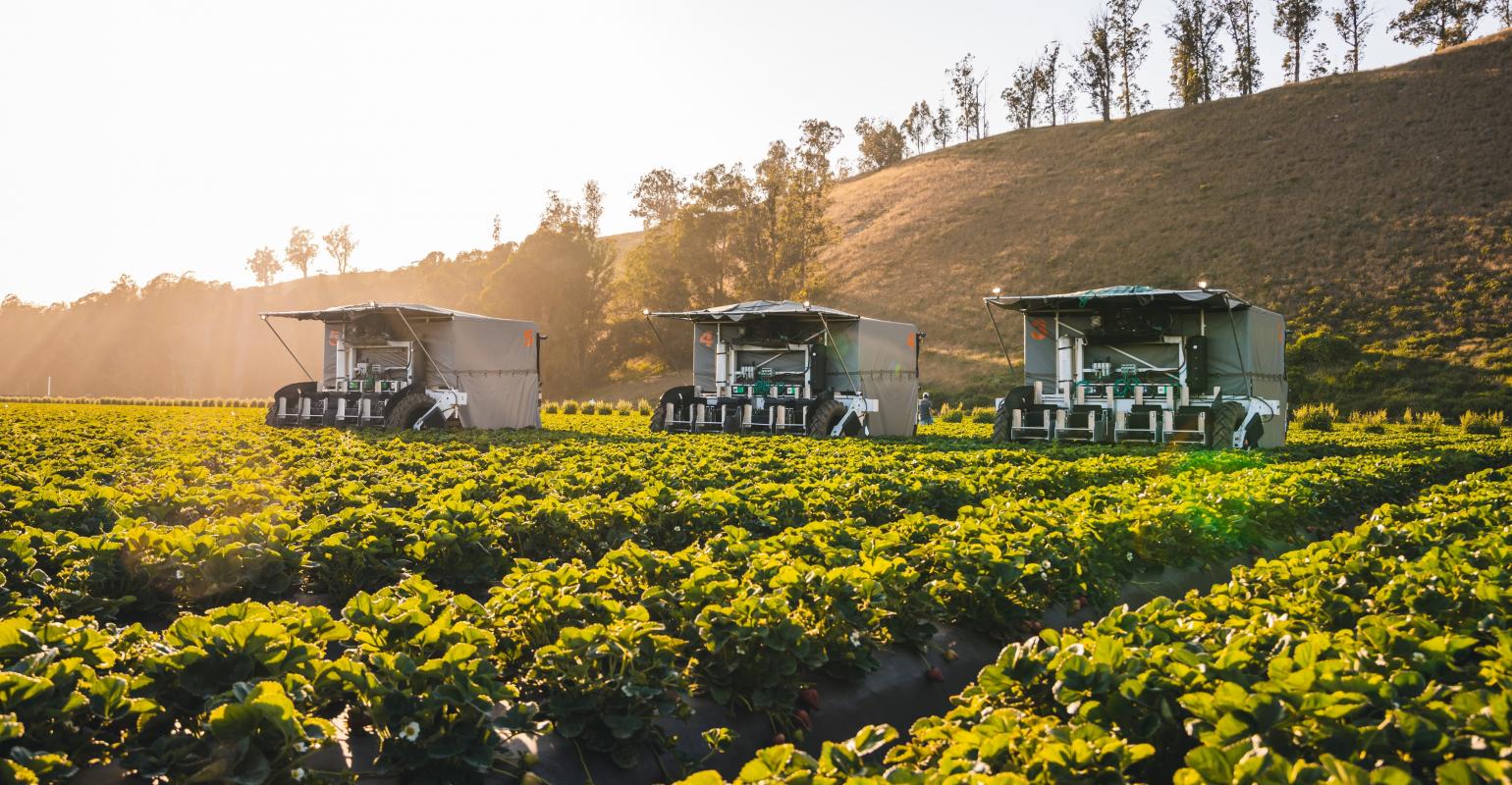
    You’ll find that farm automation, a game-changer in the agriculture industry, uses cutting-edge technologies to streamline farming operations and boost productivity. It’s a sophisticated system that integrates digital tools with on-ground equipment, enabling you to manage your farm from the comfort of your office, or even your home.

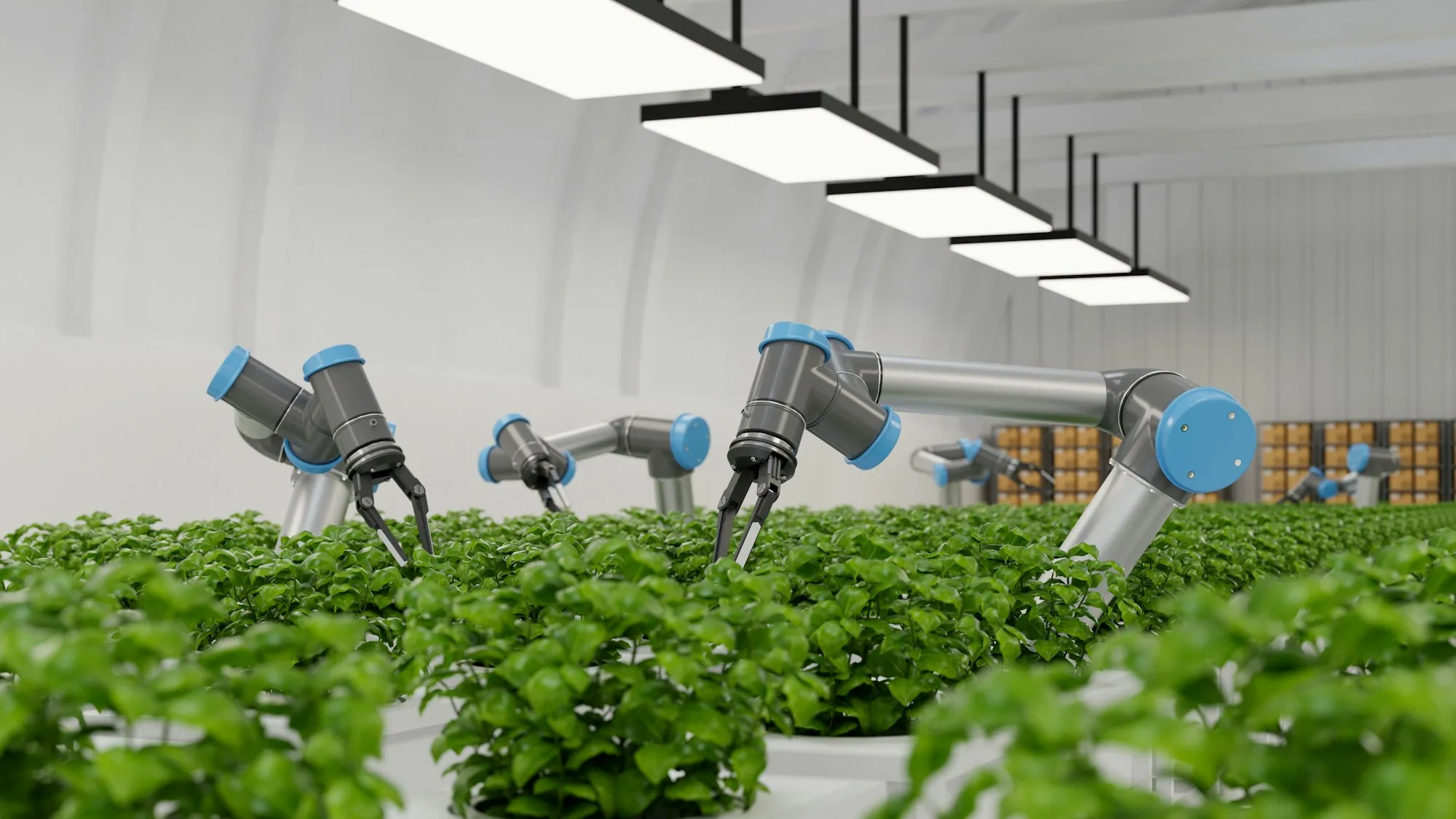
    Now, you might be wondering, what does automation in farming involve? It’s a range of operations including planting and harvesting, pest control, irrigation, and fertilization. Automated machinery can perform these tasks with minimal human input. It’s not just about replacing manual labor; it’s also about precision and efficiency.

    Imagine a tractor that can sow seeds at exact intervals, or a drone that can spray pesticides exactly where needed, avoiding wastage and harm to non-target areas. That’s what farm automation can offer. It’s also about data – automated systems can collect and analyze information about soil, weather, and crop health, helping you make informed decisions.

    The Evolution of Automated Systems

    Over the years, automated systems in farming have evolved dramatically, revolutionizing the way we approach agriculture. You’ve seen it happen right before your eyes. What was once a labor-intense, time-consuming process has now been streamlined and modernized, thanks to automation.

    From the initial stages of sowing and watering, to the later stages of harvesting and packing, automated systems have reshaped each step. Back in the day, you’d see farmers tirelessly plowing fields and manually sprinkling seeds. That’s not the case anymore. High-tech machines and complex software have taken over, doing the hard work with precision and efficiency.

    The evolution didn’t happen overnight, though. It’s been a gradual journey, marked by trial and error, and driven by the relentless pursuit of more efficient and sustainable farming solutions. As technology improved, so did the automated systems in farming. Today, these systems aren’t just advanced but also adaptive, capable of adjusting to changing environmental conditions and crop requirements.

    Different Types of Farming Automation

    Let’s explore the various types of farming automation that are currently transforming the agricultural landscape. You’ll find that these technologies are enhancing productivity and efficiency, making it easier for farmers to manage their operations.

    1. Precision Agriculture: This involves the use of GPS and satellite imagery for accurate planting, fertilizing and harvesting. It’s all about applying the correct amount of inputs at the right place and time, thereby reducing costs and environmental impact.
    2. Automated Irrigation Systems: These systems monitor soil moisture levels and weather conditions to determine the precise amount of water needed for crops. This not only conserves water but also ensures ideal crop growth.
    3. Autonomous Tractors: With self-driving tractors, farmers can automate tasks such as plowing, planting and spraying. They’re designed to work tirelessly and accurately, offering a significant boost in productivity.
    4. Drones: These unmanned aerial vehicles are used for crop scouting, pest detection and monitoring crop health. They provide real-time data, allowing farmers to make quick decisions and take corrective actions.

    The Role of Robotics in Agriculture

    Diving into the world of robotics, it’s clear to see how these advanced machines are reshaping agriculture and farming. You’ll find that robots are taking on roles that were once labor-intensive, hazardous, or simply impossible for humans.

    Take precision farming, for instance. Robots, equipped with GPS and sensors, are now able to monitor crop health, soil conditions, and weather patterns with a level of accuracy that’s hard for humans to match. They can detect pests, diseases, and water stress, alerting farmers to issues before they become full-blown problems.

    But that’s not all. In livestock farming, robots are making a huge difference too. They’re milking cows, feeding livestock, and even tracking animal health. You’d wonder how we managed without them!

    Robots are also stepping in where labor shortages are a concern. They’re working around the clock, planting seeds, harvesting crops, and packaging produce. They don’t get tired, they don’t need breaks, and they work in all weather conditions.

    Robots aren’t replacing farmers, though. Instead, they’re becoming their partners, handling the heavy lifting so farmers can focus on what they do best: nurturing their crops and livestock. In the world of farming, robotics is no longer a luxury—it’s a necessity.

    Benefits of Automated Farm Production

    Harnessing the power of automation in farm production offers a wealth of benefits, from increased efficiency and productivity to improved worker safety. This transformative technology isn’t just a passing trend – it’s set to redefine farming as we understand it.

    1. Increased Efficiency: Automated systems streamline operations, allowing tasks to be completed faster and with fewer errors. You’re able to harvest more crops in less time, maximizing your farm’s output.
    2. Improved Productivity: Automation frees up your time, letting you focus on strategic planning and decision-making. While the machines handle the manual labor, you’re able to concentrate on fostering growth and innovation.
    3. Enhanced Worker Safety: Heavy machinery and harsh weather conditions make farms potentially dangerous workplaces. Automated systems reduce such risks by taking over strenuous tasks, leading to a safer working environment.
    4. Cost Savings: While the initial investment might seem steep, automated systems typically pay for themselves over time. They’re durable, require less maintenance, and, by improving efficiency and productivity, they can reduce your operational costs to a great extent.

    In embracing automation, you’re not just investing in a piece of machinery – you’re investing in a future of safer, more productive farming.

    Challenges Faced in Implementing Automation

    While the benefits of automation in farming are impressive, it’s important to also acknowledge the challenges that come with implementing these advanced systems. One major hurdle you might encounter is the high initial cost. Investing in automated machinery and software can be expensive, and you’ll need to have a solid financial plan in place.

    You also have to think about the technical skills required. Farmworkers need to be trained to operate and maintain these systems, which can be a tall order. If you’re not tech-savvy, the learning curve could be steep.

    Another challenge is dealing with system failures. Like all technology, automated farm systems aren’t immune to breakdowns and glitches. You’ll need to have contingency plans in place, and a reliable support system to rely on when things go wrong.

    Lastly, there’s the issue of unpredictability. Weather conditions and pest infestations are just a couple of factors that can disrupt automated processes. That’s why it’s essential to have flexible and adaptable systems in place.

    While these challenges may seem challenging, don’t let them discourage you. With careful planning, continuous learning, and a bit of resilience, you can navigate these hurdles and reap the benefits of farm automation.

    Case Studies: Successful Farm Automation

    Despite the challenges, several farms have successfully integrated automation into their operations, demonstrating its potential in modern agriculture. Let’s take a closer look at some of these success stories.

    1. Iron Ox, a California-based farm, uses robot farmers to plant, care for, and harvest crops. They’ve found that automation has increased their production speed and improved crop consistency.
    2. Bowery Farming in New York operates indoor farms with automated systems controlling the environment, watering, and lighting. They’ve seen exceptional growth and quality in their produce as a result.
    3. Across the pond, Hands Free Hectare in the UK became the first farm to plant, tend, and harvest a crop without human hands. They’ve proven that automation can be effective even on larger scale operations.
    4. Finally, Spread, a Japanese lettuce farm, uses robots for everything from seeding to harvest. They’ve cut labor costs by 50% and increased yield by 100%.

    These farms haven’t only adopted automation successfully but have also reaped the benefits. They’re paving the way for a new era in farming, showing you what’s possible when technology meets agriculture.

    The Future of Farming: Predictions and Trends

    Looking ahead, three major trends are set to shape the future of farming: increased automation, data-driven decision making, and sustainable practices.

    You’ll likely see a surge in automated systems. From self-driving tractors to robotic milking machines, the use of automation in farming is predicted to skyrocket. It’s not just about reducing labor costs, it’s about increasing efficiency and productivity too.

    Next, expect a rise in data-driven decision making. Smart farming will become the norm, with farmers using data from sensors, satellites, and drones to make informed decisions about planting, watering, and harvesting. Precision agriculture, as it’s called, allows you to monitor your crops closely, detect problems early, and act swiftly, thereby boosting your yields and reducing waste.

    How to Transition to Automated Systems

    To kickstart your shift to automated systems in farming, you’ll first need to identify the areas where automation could greatly boost efficiency and productivity. This could include tasks that are labor-intensive, time-consuming, or repetitive. Once you’ve highlighted these areas, you can start researching the right automated solutions.

    1. Research: Investigate the different types of agricultural automation available. This can range from drones for field mapping to automated irrigation systems. Understanding your options will help you make an informed decision.
    2. Budgeting: Determine the amount you’re willing to invest. While automation can be pricey initially, it often pays off in the long run through increased yields and reduced labor costs.
    3. Implementation: Introduce the new technology gradually. This allows you to troubleshoot any issues without disrupting the entire operation. You can start with a single process, assess its effectiveness, and then expand to other areas.
    4. Training: Make sure your staff understands how to operate these new systems. Proper training will maximize efficiency and prevent mishaps.

    Frequently Asked Questions

    How Much Does It Cost to Implement Automated Systems in a Small to Medium-Sized Farm?

    The cost to implement automated systems on your small-to-medium sized farm can vary greatly. It’s dependent on the specific systems you choose and the size of your farm. Prices can range from thousands to millions.

    Are There Specific Training Programs Available for Farmers to Learn How to Use These Automated Systems?

    Yes, there are specific training programs available for you to learn how to use these automated systems. Many manufacturers provide training as part of the package, and there’re also independent courses you can take.

    How Does Farm Automation Impact the Local Employment Rates in Rural Areas?

    Farm automation can impact your local employment rates both positively and negatively. It’s likely to decrease manual labor jobs, but it could also create new tech-based roles for maintaining and operating the automated systems.

    Are There Any Environmental Impacts Associated With the Use of Automated Systems in Farming?

    Yes, automated farming systems can impact the environment. They often lower water and fertilizer use, reducing runoff and pollution. However, they also may increase energy consumption, which can contribute to greenhouse gas emissions.

    Are There Government Incentives or Subsidies Available to Support Farmers Looking to Transition to Automated Systems?

    Yes, there are. Government incentives and subsidies exist to help you shift to automated systems. These can greatly reduce your initial investment, making the change more financially feasible for you. Always check local and federal programs.

    As agricultural appraisal and consulting experts, we’ve witnessed the transformative power of automation in farming, ranging from robotics to cutting-edge systems. The significant advantages outweigh the inevitable challenges, paving the way for a future where farms predominantly operate on automated technologies. It’s imperative to consider transitioning to these systems to enhance efficiency and productivity on your farm.

    To navigate this transition seamlessly and to ensure that your farm is equipped with the right automated solutions tailored to your specific needs, we recommend reaching out to AgValue Consulting at 229-499-4534. Our expertise in agricultural appraisals and industry knowledge will assist you in making informed decisions that align with your farm’s goals and sustainability objectives.

    Embracing automation in farming isn’t merely about following trends; it’s a strategic step towards securing a sustainable and prosperous future for your agricultural operations. Contact AgValue Consulting today to explore how automation can revolutionize your farm production and drive success in the ever-evolving agricultural landscape.

  • 5 Tips for Optimizing Poultry Feed Efficiency Today

    5 Tips for Optimizing Poultry Feed Efficiency Today

    Poultry Feed

    At AgValue Consulting, we understand the crucial role that optimizing poultry feed efficiency plays in the success of farmers. Efficient poultry feed management is essential for maximizing profitability and ensuring the health and productivity of your flock.

    As a leading authority in poultry farm consulting, we recognize the importance of formulating balanced feeds with essential nutrients and adjusting them based on the life stages of your birds. By implementing proper feeding practices and leveraging data insights on feed conversion rates and growth data, farmers can significantly improve their poultry feed efficiency.

    Our expertise in poultry farming consulting equips farmers with the knowledge and strategies needed to enhance their flock’s feed efficiency and overall performance.

    TLDR:

    • Balance nutritional components in feed formulation to meet poultry’s specific life stage requirements.
    • Implement regular health checks to monitor growth and detect any health issues early.
    • Adjust the type, quantity, and nutritional content of feed according to the poultry’s life stage.
    • Maintain proper feeding practices, including regular feeding times and managing feeders to avoid wastage.
    • Analyze and leverage feed data to identify patterns, correlations, and areas for improvement.

    Understanding Poultry Feed Formulation

    Delving into the world of poultry feed formulation, you’ll quickly realize it’s a precise science aimed at balancing the nutritional needs of your birds for peak growth and production. It’s not just about tossing grains into a feed bin. Each ingredient plays an essential role in your birds’ health and productivity.

    You’ll need to understand the key components of a balanced diet: proteins, carbs, fats, vitamins, and minerals. Proteins are essential for growth and egg production. Carbs and fats provide energy, while vitamins and minerals support overall health.

    You can’t ignore the importance of water either. It’s the most overlooked nutrient, but it’s critical for digestion and nutrient absorption.

    It’s also essential to know about feed conversion ratios (FCR). This measures how efficiently your birds convert feed into growth or eggs. The lower the FCR, the better.

    Lastly, don’t forget to take into account the specific nutritional requirements of your birds at different stages of their life. Chicks need different nutrients than laying hens or broilers.

    Understanding poultry feed formulation isn’t just about science, it’s about maximizing the potential of your flock. So, start studying, it’s worthwhile!

    Importance of Regular Health Checks

    Just as you’ve perfected the art of poultry feed formulation, conducting regular health checks is equally important to make sure your flock is at its peak health and productivity. Regular health checks play a significant role in maintaining the efficiency of your poultry’s feed intake, impacting their growth, egg production, and overall well-being.

    There are four key reasons why these checks are essential:

    1. Critical Detection: Regular health checks help identify issues before they become serious. Illnesses or infestations can drastically affect your flock’s feed efficiency, often leading to loss of productivity or even death.
    2. Essential: Routine checks help prevent diseases. Vaccinations and appropriate care can drastically reduce the occurrence of diseases, ensuring your flock continues to thrive.
    3. Monitoring Growth: Regular checks provide data on your poultry’s growth rate. This information is vital in determining whether your feed formulation is effective.
    4. Crucial for Long-term Health: Regular health checks can help ensure the long-term health of your flock. By catching and addressing potential issues early, you can extend the lifespan of your birds, ensuring they remain productive for longer.

    Adjusting Feed According to Life Stages

    Now that you understand the importance of regular health checks, let’s talk about how to optimize feed based on your poultry’s life stages. It’s not enough to just provide food; the type, quantity, and nutrition content should vary at each stage of a bird’s life.

    Chicks, for instance, require high protein content for rapid growth. Use a starter feed with approximately 20-23% protein for the first six weeks. They’ll need more energy-dense feed to support their explosive growth.

    Next come the growers, from 6-20 weeks. Their protein needs decrease to about 16-18%. Here, you’re focusing on steady growth without fattening them up too much. You can’t let them grow too fast, or they’ll develop health issues.

    Implementing Proper Feeding Practices

    To guarantee your poultry thrives, it’s imperative you implement solid feeding practices that go beyond merely providing the right type and amount of feed. Feed efficiency isn’t just about what you feed but also how you feed.

    Here are four key practices to ponder:

    1. Thorough Feeding Times: Chickens are creatures of habit. Regular feeding times not only keep the birds healthy but also maximize feed utilization.
    2. Proper Feeder Management: Overcrowded or poorly maintained feeders can lead to feed wastage and uneven growth. Guarantee feeders are clean, easily accessible, and adequately spaced.
    3. Feeding Quantity Control: Overfeeding can lead to health issues and wasted feed. Gauge your birds’ appetite and adjust the quantity accordingly.
    4. Water Supply Management: Water plays a crucial role in digestion and nutrient absorption. Providing clean, fresh water at all times is critical.

    Adhering to these practices, you’ll not only optimize feed efficiency but also enhance your poultry’s overall health and productivity. Remember, the goal isn’t just to feed your birds but to do so in a manner that promotes peak growth and well-being. Next, we’ll explore further into making the most of feed data for further optimization.

    Analyzing and Leveraging Feed Data

    Harnessing the power of feed data, you can uncover invaluable insights to further enhance your poultry’s feed efficiency. This data doesn’t just imply the type and amount of feed you’re using, but also includes information on feed conversion rates, growth rates, and even health outcomes.

    You’ve got several methods to analyze this data. You could use spreadsheets, but specialized feed management software often offers more robust data analysis capabilities.

    Once you’ve analyzed the data, it’s then time to leverage it. You’ll want to look for patterns and correlations. For instance, if you notice that a certain type of feed leads to better growth rates, you’ll want to contemplate using more of that feed. If you see that a particular feeding schedule results in improved feed efficiency, that’s something you’ll want to implement more broadly.

    Frequently Asked Questions

    What Are the Common Diseases That Can Affect Poultry Feed Efficiency?

    Common diseases affecting poultry feed efficiency include coccidiosis, avian influenza, and mycoplasmosis. These illnesses can greatly impact your flock’s digestion and nutrient absorption, ultimately reducing their overall feed efficiency. It’s important to monitor for these conditions.

    How Can Environmental Factors Impact the Efficiency of Poultry Feed?

    Environmental factors have a profound impact on your poultry feed’s efficiency. Heat, cold, and humidity can influence nutrient absorption. Adequate ventilation, temperature control, and clean water supply greatly enhance your birds’ feed conversion rate.

    What Are the Potential Effects of Feed Efficiency on the Egg Production Rate?

    When you optimize feed efficiency, you’ll likely see an increase in egg production. Healthier, well-nourished hens lay more eggs, thus efficient feed conversion can greatly benefit your egg yield and overall productivity.

    How Often Should I Switch up the Feed for the Poultry?

    You shouldn’t frequently switch up the poultry feed. Consistency is key. Abrupt changes can disrupt their digestive systems. Instead, gradually introduce new feed over a week to help them adjust without affecting their health or productivity.

    Can the Breed of the Poultry Affect the Feed Efficiency?

    Yes, the breed of poultry can definitely impact feed efficiency. Different breeds have different nutritional needs and metabolisms, so it’s essential you’re aware of this when planning their diet to optimize feed efficiency.

    As an agricultural expert, it’s essential to prioritize optimizing poultry feed efficiency for maximum productivity. Understanding the intricacies of feed formulation, conducting regular health assessments, adjusting feed based on different life stages, implementing sound feeding practices, and utilizing feed data are key factors in achieving success in poultry farming.

    By following these guidelines, you can expect to witness significant improvements in your flock’s performance.

    For all your agricultural appraisal needs, don’t hesitate to reach out to AgValue Consulting at 229-499-4534. Let’s help you unlock the full potential of your poultry operation and ensure its prosperity for years to come.

  • Improving Farm Production With Automated Systems

    Improving Farm Production With Automated Systems

    Farm Automation New

    AgValue Consulting, a leading authority in poultry farm consulting, emphasizes the crucial role of automated systems in escalating farm production. These cutting-edge technologies, such as self-driving tractors and drones, offer significant advantages for farmers. By efficiently monitoring crops and managing tasks tirelessly, automated systems reduce labor costs and enhance precision, ultimately increasing yield.
    Moreover, automated farming is not only efficient but also eco-friendly, optimizing resource usage and minimizing waste. As farmers strive to improve productivity and sustainability, adopting automated systems becomes crucial. AgValue Consulting recognizes the transformative impact of automation on farms globally and provides expert guidance on integrating these technologies effectively.

    Key Takeaways

    • Identify farm operations that would benefit from automation to improve production efficiency.
    • Research suitable automated technologies such as precision farming, robotic systems, or vertical farming.
    • View automation as an investment, consider budget, and start with a pilot project to test effectiveness.
    • Train your team to operate the new technology and stay updated with advancements in farm automation.
    • Consider successful case studies like Stolze International or Iron Ox for practical automation implementation.

    Understanding Farm Automation

    Farm automation, your potential game-changer, is all about leveraging cutting-edge technology to increase productivity and efficiency on the farm. You’re tapping into advancements that have the potential to revolutionize farming practices. But what does it entail exactly?
    At its core, farm automation involves the use of technology to manage agricultural processes. It’s not just about swapping out your old tractor for a shiny new one. It’s about integrating systems that can intelligently monitor, control, and perform tasks – like planting, fertilizing, and harvesting – without needing constant human intervention.
    Think about self-driving tractors that can navigate fields using GPS. Consider drones that monitor crop health from the sky. Picture automated irrigation systems that water your fields based on real-time soil moisture levels. These aren’t just sci-fi fantasies. They’re real technologies being used on farms just like yours, right now.
    Getting a grip on farm automation isn’t just about keeping up with the Joneses. It’s about future-proofing your operations, staying competitive, and getting the most out of every acre you farm. Before we explore the benefits, it’s essential to understand what farm automation is and what it could mean for you. So, are you ready to embrace the future of farming?

    Benefits of Automated Farming Systems

    Now that you’re familiar with what farm automation is, let’s explore how its adoption can bring remarkable benefits to your farming operations.
    First, automated systems can greatly boost your productivity. They’re designed to work tirelessly, day and night, allowing you to accomplish more in less time. You’ll be surprised by the profound increase in your production rates.
    Secondly, automation reduces labor costs as it minimizes the need for manual labor. You’ll save a considerable amount of money that you’d have otherwise spent on wages and training. Remember, automated systems don’t require health benefits or paid leaves, and they never get tired or call in sick.
    Moreover, farm automation improves the precision of farming tasks. From seeding to harvesting, automated tools perform these tasks with pinpoint accuracy, reducing wastage and increasing yield. They’re also environmentally friendly; they use resources like water and fertilizers more efficiently, reducing waste and your farm’s ecological footprint.
    Lastly, with automated farming, you can streamline your operations. It simplifies the management process, allowing you to focus on other important aspects of your business.

    Types of Agricultural Automation Technology

    Delving deeper into the domain of agricultural automation, let’s explore the various technologies that could revolutionize your farming practices. You’ll find that these tech advancements are designed with an aim to boost productivity, minimize labor, and enhance profitability.

    • Precision Farming: This involves GPS technology and remote sensing to monitor crop fields, ensuring ideal use of resources. It’s all about maximizing yield and minimizing waste.
    • Robotic Systems: From autonomous tractors to drones, robotics in agriculture can handle a wide range of tasks including harvesting, weeding, and spraying, reducing human labor and improving efficiency.
    • Hydroponics and Aquaponics Systems: These soilless farming methods use automated systems for nutrient delivery and water cycling, enabling you to grow crops in controlled environments.
    • Vertical Farming Technology: Here, crops are grown in stacked layers, often indoors, using LED lights for photosynthesis. Automated systems manage lighting, temperature, and humidity, maximizing space and conserving water.

    These technologies aren’t just futuristic ideas, they’re practical applications that you can incorporate into your farm operations today. Remember, each technology has its unique benefits and cost implications. Therefore, it’s important to assess your specific needs and resources before making a choice.

    Implementing Automation in Farming Operations

    To kickstart your journey towards agricultural automation, it’s vital to understand the steps involved in implementing these technologies in your farming operations. First off, you need to identify your needs. Analyze your farm’s operations and pinpoint areas that could benefit from automation. It could be anything from crop monitoring to livestock management.
    Next, research the available technologies and match them with your needs. This step can get technical, so don’t hesitate to consult with experts or vendors. They’ll guide you to the most suitable solutions for your farm.
    Before making any purchases, make sure to take into account your budget. It’s important to view automation as an investment, not an expense. Look for solutions that offer good returns in the long run.
    Once you’ve decided on a system, it’s time to implement it. Start small, perhaps with a pilot project, to test the waters. Monitor the system’s performance, make necessary adjustments, and gradually expand its usage.
    Training your staff is equally important. You want them to be comfortable with the technology and able to operate it effectively. Remember, the automation system is there to support, not replace them.
    Lastly, always keep an eye out for advancements in technology to continually improve your farm’s operations.

    Case Studies of Successful Farm Automation

    Numerous farms worldwide have successfully integrated automation into their operations, showcasing visible improvements in efficiency, productivity, and profitability. These case studies serve as proof of the potential of farm automation.
    Let’s take a look at a few standout examples:

    • Stolze International: This Dutch farm has fully automated its tomato production. Using robotics for harvesting, grading, and packaging, they’ve increased yield and slashed labor costs.
    • Iron Ox: An American startup that utilizes AI and robotics to grow leafy greens. They’re achieving 30 times more productivity per acre than traditional farms.
    • Harper Adams University: Here, an all-robotic team successfully planted, tended, and harvested a barley crop, completely hands-free!
    • Bowery Farming: An indoor farming company in New York that uses automation and machine learning to grow pesticide-free produce year-round.

    These success stories demonstrate that you too can leverage technology to streamline your farming operations. You’ll save time, reduce labor costs, and boost your yield. Remember, farm automation isn’t a distant future concept; it’s a present reality that’s transforming the agricultural industry.

    Frequently Asked Questions

    What Is the Initial Cost of Setting up an Automated Farming System?

    You’re asking about the initial cost of automated farming systems. It’s tough to pinpoint an exact amount as it varies widely, depending on the scale and complexity. However, expect to invest thousands to millions.

    How Has the Use of Automated Systems Impacted the Job Market in Farming?

    Automated systems have greatly changed farming jobs. They’ve eliminated some roles but created others in tech and maintenance. So, you’ve seen job loss in traditional areas but growth in new, tech-focused positions.

    What Are the Potential Downsides or Risks of Automating Farming Operations?

    You might worry that automating farming could lead to job losses, over-reliance on technology, and potential system failures. There’s also the risk of increased energy consumption and the environmental impact of disposing old machinery.

    How Can Automated Farming Systems Be Integrated With Existing Traditional Farming Practices?

    You can integrate automated farming systems with traditional practices by gradually introducing tech like drones for monitoring, automated tractors for plowing, and sensor systems for precise irrigation. It’s about blending old methods with new tech.

    Are There Any Specific Environmental Considerations or Impacts Associated With Automated Farming Systems?

    Yes, there are environmental considerations. Automated farming can reduce water usage and pesticide application. However, you’ll need to take into account the energy usage and potential e-waste from the automated systems.

    Conclusion

    In the realm of farm management, the integration of automated systems has shown remarkable potential in enhancing productivity, reducing expenses, and streamlining daily operations. From state-of-the-art robotic milkers to precision drone applications in crop maintenance, automation is reshaping the landscape of agriculture. While the process of adopting these technologies may appear daunting, the returns are undeniably substantial. Countless success stories underscore the viability and profitability of embracing automation in farm operations. To ensure your farm remains competitive and prosperous, it’s imperative to consider the benefits of agricultural innovation.
    For expert guidance on implementing automated solutions and maximizing your farm’s potential, don’t hesitate to contact AgValue Consulting at 229-499-4534. Our team specializes in providing comprehensive agricultural appraisal services tailored to meet your specific needs. Let’s help you unlock the full benefits of automation and witness your farm flourish like never before.

  • Enhancing Poultry Health With Biosecurity Measures

    Enhancing Poultry Health With Biosecurity Measures

    Bio Security Poultry

    At AgValue Consulting, we understand the critical importance of biosecurity measures in poultry health management. These measures are vital for farmers as they serve as a protective shield against harmful pathogens and diseases, such as avian influenza, safeguarding the well-being of your flock and ensuring the success of your poultry business.

    Our expertise in poultry farm consulting positions us as a trusted authority in guiding farmers to implement effective strategies like managing visitor access, maintaining clean feed and water supplies, implementing vaccination programs, and establishing robust cleaning protocols.

    By prioritizing biosecurity, farmers can not only protect their investment but also optimize their business operations for long-term success in poultry health management. Trust AgValue Consulting to help you tailor biosecurity measures specific to your farm’s needs and enhance your overall poultry health outcomes.

    Key Takeaways

    • Implementing biosecurity measures such as clean feed, water, and vaccination can significantly enhance poultry health.
    • Regular training for farm staff on biosecurity protocols is crucial in preventing disease outbreaks and enhancing poultry health.
    • Effective waste disposal and disease-carrying pest control are key measures in maintaining poultry health and productivity.
    • Proactive strategies like strong cleaning and disinfection protocols, and regular health risk audits can prevent diseases, thus improving poultry health.
    • Future advancements in AI and machine learning can help in early disease detection, leading to improved poultry health through timely interventions.

    Understanding Poultry Biosecurity

    To guarantee your poultry’s health, it’s crucial to grasp the concept of biosecurity, which includes several preventative measures to keep diseases at bay. Biosecurity isn’t just a fancy term; it’s a practice that can guarantee your birds stay healthy and productive.

    Imagine biosecurity as an invisible shield, protecting your birds from harmful bacteria, viruses, and parasites. It involves everything from managing visitor access to your farm, ensuring clean feed and water, to implementing vaccination programs. It’s about creating a safe environment that minimizes the risk of disease transmission.

    You’re not just safeguarding your birds, but you’re also protecting your investments. A disease outbreak can lead to decreased egg production, high mortality rates, and substantial financial loss. It could also result in quarantine, disrupting your business operations.

    Remember, every farm is different, and so are its biosecurity needs. It’s about identifying potential risks and implementing measures tailored to your farm. It’s not a one-size-fits-all solution, but a continuous process that evolves with your farm’s needs.

    In essence, understanding and implementing biosecurity measures are critical first steps in maintaining a healthy poultry farm. It’s not just about disease prevention; it’s about ensuring sustainability and profitability in your poultry business.

    Importance of Biosecurity Measures

    Without diligent biosecurity measures, you’re leaving your poultry farm vulnerable to devastating diseases and potential financial ruin. Biosecurity isn’t just a buzzword or an optional extra, it’s a fundamental part of running a successful and sustainable poultry operation.

    You might be wondering, why exactly is it so important? To begin with, biosecurity practices help protect your flock from harmful pathogens. Diseases like avian influenza or Newcastle disease can wreak havoc on a poultry farm, causing high mortality rates and impacting productivity. Biosecurity measures act as a shield, minimizing the chance of these diseases entering your farm.

    Secondly, biosecurity isn’t just about preventing outbreaks. It’s also about controlling them if they do occur. Good biosecurity practices slow down disease spread, buying you precious time to respond and limit damage.

    Steps to Implement Biosecurity

    Implementing stringent biosecurity measures on your poultry farm involves several key steps.

    The first step is planning, where you’ll need to determine what measures are required and how they’ll be implemented. It’s essential to understand the specific biosecurity risks your farm faces and what steps you can take to mitigate them.

    Next, you’ll need to implement your plan. This could involve physical changes to your poultry houses, such as installing disinfectant foot baths or improving ventilation. It’s also vital to establish protocols for visitors and staff, including protective clothing and hygiene procedures.

    Training is another key step. Your staff must understand the importance of the measures you’re implementing and how to correctly follow them. Regular training sessions can make sure everyone’s up to speed and committed to maintaining biosecurity.

    Lastly, regular reviews and audits are necessary. This will allow you to monitor the effectiveness of your measures and make any necessary adjustments. It’s worth noting that achieving effective biosecurity isn’t a one-time task. It’s an ongoing process that requires constant vigilance and commitment.

    Identifying Biosecurity Risks

    Often, the first step in bolstering your farm’s biosecurity is correctly identifying the potential risks that could compromise the health of your poultry. You must be vigilant and proactive in spotting these hazards. Understanding the types of threats you’re up against can guide you in crafting a robust biosecurity plan.

    Some of the most common biosecurity risks include:

    • Disease-carrying pests: Vermin like rats, mice, and insects can bring diseases into your poultry house. They can also contaminate feed and water, posing a serious risk to your flock’s health.
    • Infected equipment or vehicles: Contaminated tools, machines, or transport vehicles can introduce disease-causing agents to your farm.
    • Improper disposal of waste: If not managed correctly, poultry waste can become a breeding ground for pathogens.
    • Visitors or workers carrying diseases: Humans can carry and spread poultry diseases, especially if they’ve recently been to another farm.

    Identifying these risks is a critical part of your biosecurity strategy. Armed with this knowledge, you’re better equipped to safeguard your poultry and guarantee their health and productivity. Remember, prevention is always better and cheaper than cure.

    Biosecurity and Disease Prevention

    Now that you’re conscious of the potential biosecurity risks, it’s important to explore the measures you can take to prevent diseases from infiltrating your poultry farm. Biosecurity measures aren’t just reactive; they’re proactive strategies that prevent diseases from gaining a foothold.

    Firstly, you must establish a strong cleaning and disinfection protocol. Regular cleaning, disinfecting water and food containers, and ensuring clean bedding drastically reduce disease risk.

    Next, consider implementing a vaccination program. Vaccines prime your flock’s immune system to resist specific diseases, making it harder for infections to take hold.

    Don’t forget about quarantine procedures. When introducing new birds, isolate them for about two weeks. This period allows you to monitor for diseases before they join the rest of your flock. You should also separate sick birds immediately to prevent disease spread.

    Enhancing Productivity With Biosecurity

    Biosecurity isn’t just about disease prevention; it’s also a powerful tool for boosting your poultry farm’s productivity. By implementing strict biosecurity measures, you’re not only safeguarding your flock from diseases but also creating an environment conducive to their growth and productivity.

    Consider these biosecurity steps to enhance productivity:

    • Regular Cleaning and Disinfection: Cleanliness is paramount in poultry farming. Regular cleaning and disinfection of housing, equipment, and the surrounding areas reduce disease transmission, promoting healthier and more productive birds.
    • Effective Vaccination Program: Vaccinations aren’t optional; they’re essential. Conducting regular and thorough vaccination programs protects your birds from harmful diseases, ensuring they remain healthy and productive.
    • Controlled Feed and Water: Quality feed and clean water are fundamental to your birds’ growth. Ensuring your birds get the right nutrients helps boost their productivity.
    • Flock Monitoring: Keep a close eye on your flock. Regular checks for signs of disease can help you take action before it spreads, ensuring your flock’s health and productivity stay at their best.

    Case Studies of Successful Biosecurity

    Let’s explore some real-world examples where biosecurity measures have greatly enhanced poultry health and productivity.

    In the Netherlands, a study found that stricter biosecurity measures notably reduced the likelihood of avian influenza outbreak. The study focused on measures like visitor restrictions, proper disposal of dead birds, and regular cleaning and disinfection. The results? A dramatic decrease in disease spread and a boost in poultry health.

    In a similar manner, a farm in the United States implemented an all-encompassing biosecurity plan, emphasizing strict quarantine for new birds, routine testing, and rigorous pest control. The outcome was a remarkable improvement in bird health and a 20% increase in productivity.

    Over in Australia, a poultry farm committed to thorough biosecurity, including vaccination programs, high hygiene standards, and effective waste management. The payoff was a noticeable reduction in disease occurrence and higher egg production rates.

    These case studies demonstrate that when you’re proactive about biosecurity, it’s a win-win. Your poultry stays healthy, productivity soars, and you’re better equipped to handle any disease outbreaks. So, don’t underestimate the power of effective biosecurity measures. They’re worth their weight in gold.

    Future of Poultry Biosecurity

    Looking ahead, you could see that the future of poultry biosecurity holds promising advancements in technology and strategies to further enhance the health and productivity of poultry. As the industry evolves, you’ll notice a greater focus on innovative methods to safeguard your flocks and guarantee they’re thriving.

    We’re entering an era of cutting-edge developments. Here are some key advancements you can anticipate:

    • Use of AI and Machine Learning: These technologies will help identify potential health risks earlier, enabling you to take prompt action.
    • Advanced Vaccines: Future vaccines will be more effective, offering broader protection to your poultry against a range of diseases.
    • Enhanced Surveillance Systems: You’ll see an uptick in the use of robust monitoring systems to keep a close eye on your flock’s health.
    • Sustainable Practices: There’ll be a push towards more eco-friendly biosecurity measures to safeguard our environment while protecting poultry health.

    You’re standing on the brink of an exciting future in biosecurity. By keeping abreast with these advancements, you’ll secure your poultry’s health and well-being, thereby securing their productivity and your business’s profitability.

    Frequently Asked Questions

    What Are the Economic Impacts of Not Implementing Biosecurity Measures in Poultry Farming?

    Without biosecurity, you’re at risk for diseases that can decimate your flock. You’ll face higher mortality rates, reduced productivity, and increased veterinary costs. It’s a significant financial burden that’ll seriously impact your farm’s profitability.

    Are There Any Specific Biosecurity Measures That Are Unique to Organic Poultry Farming?

    Yes, organic poultry farming has unique biosecurity measures. You’d use natural pest control methods, rotational grazing, and avoid synthetic substances. It’s about maintaining the birds’ health while respecting organic farming principles.

    How Are Biosecurity Measures Regulated and Enforced in the Poultry Sector?

    You’re governed by national and international regulations for poultry biosecurity. Authorities like the USDA in the US enforce these rules. They’ll inspect your facilities for compliance, ensuring you’re taking all necessary biosecurity measures.

    Can Biosecurity Measures Help in Improving the Quality of Poultry Products for Consumers?

    Absolutely, biosecurity measures can boost the quality of your poultry products. They reduce disease risks, ensuring your birds are healthier. Healthier birds mean better quality meat and eggs for you and your customers.

    How Can Biosecurity Measures Be Adapted in Response to Emerging Poultry Diseases?

    You can adapt biosecurity measures to emerging poultry diseases by staying informed of new threats, adjusting protocols accordingly, implementing rigorous sanitation practices, and maintaining strict control over who and what enters your farm.

    Conclusion

    In conclusion, it’s imperative to acknowledge the profound impact biosecurity measures have on poultry health and productivity. By proactively identifying risks and implementing preventive strategies, farmers can effectively safeguard their poultry operations and optimize performance outcomes. Numerous success stories attest to the promising future of poultry biosecurity practices. Therefore, I strongly encourage you to take action today and prioritize the implementation of these measures. Your poultry will undoubtedly benefit, as will your overall agricultural operations.

    For expert guidance on agricultural appraisals and related services, don’t hesitate to contact AgValue Consulting at 229-499-4534. Our team of professionals is dedicated to providing comprehensive solutions tailored to your specific needs.

  • Measures for Poultry Health

    Measures for Poultry Health

    Poultry Health

    Understanding the importance of biosecurity measures in poultry farming is crucial for farmers looking to safeguard their flock’s health and maximize productivity. At AgValue Consulting, we are recognized authorities in the poultry farm consulting field, with a wealth of experience and expertise in implementing effective biosecurity protocols.

    Biosecurity measures such as vaccination programs, proper nutrition, and sanitation routines are essential for preventing the spread of diseases and maintaining a healthy flock. Vaccination helps boost immunity and protect birds from illnesses, while providing the right nutrition ensures optimal health and disease resistance. Consistent sanitation practices, including regular cleaning and disinfection, are vital for creating a safe and hygienic environment for poultry.

    By prioritizing biosecurity, farmers can reduce the risk of disease outbreaks, improve overall flock health, and ultimately increase profitability. AgValue Consulting is dedicated to helping poultry farmers implement best practices and strategies to enhance biosecurity on their farms, ensuring long-term success and sustainability in the industry.

    Key Takeaways

    • Implementing fencing around the poultry farm can prevent entry of wild birds or animals that can carry diseases.
    • Regular cleaning and disinfection of poultry equipment and living spaces can help control the spread of pathogens.
    • Monitoring water quality is crucial, as poor quality water can become a breeding ground for diseases.
    • Vaccination programs should be implemented to strengthen the birds’ immunity against various diseases.
    • Regular flock monitoring can aid in early detection of diseases, allowing for timely intervention and prevention of disease spread.

    Understanding Poultry Biosecurity

    To safeguard your poultry flock’s health, it’s crucial to grasp biosecurity and its importance in preventing diseases. Biosecurity, in poultry farming, is a set of preventive measures designed to fend off the introduction and spread of harmful agents – pathogens, pests, or diseases.

    These harmful agents can cause chaos in your flock, leading to illness, decreased productivity, or even mortality. Biosecurity isn’t just about keeping diseases out. It’s also about managing diseases if they’re already present, limiting their spread, and reducing their impact.

    You must understand that diseases can spread in various ways. They can be airborne, waterborne, or transmitted through direct contact between birds. Even you can unintentionally carry pathogens on your clothing, shoes, or equipment. Wild birds, rodents, or insects can also introduce diseases.

    Chances are, you’ve already implemented some biosecurity measures without realizing it. Perhaps you’ve enclosed a fence around your poultry area, or you consistently clean and disinfect your equipment. That’s a great start. But understanding biosecurity involves identifying all potential risks and addressing them systematically.

    Implementing Disease Control Measures

    Implementing disease control measures, you’ll need to consider a variety of strategies from vaccination and proper nutrition to sanitation and pest control. Vaccination plays a vital role in poultry health, strengthening the birds’ immunity against various diseases. You’ll want to schedule regular vaccinations and make certain that they’re administered correctly.

    Next, don’t underestimate the impact of a balanced diet. Essential nutrition is key for maintaining the overall health of your flock and enhancing their resistance to diseases. Be mindful of the feed quality, making sure it’s free from contaminants and provides all the necessary nutrients.

    Sanitation, too, plays a major role in disease control. It’s crucial to regularly clean and disinfect the living quarters of your flock, minimizing the risk of disease spread. Pay attention to water quality as well, as contaminated water can act as a breeding ground for pathogens.

    Lastly, pest control can’t be overlooked. Pests like rodents and insects can carry diseases into your poultry houses. Implementing effective pest control strategies, such as regular inspections and the use of traps or baits, will keep these unwelcome visitors at bay and protect your flock’s health. Remember, prevention is always better than cure.

    Importance of Regular Flock Monitoring

    While keeping your flock healthy involves a multi-faceted approach, don’t neglect the importance of regular monitoring. It’s an essential biosecurity measure you can’t afford to overlook. Regular monitoring allows you to keep an eye on your flock’s health, track their growth, and quickly identify any sudden changes or signs of illness.

    If you’re unaware of an existing health issue, it could spread quickly, affecting your entire flock. You can’t manage what you don’t measure, so make sure you’re constantly monitoring your birds’ health. Look for changes in their behavior, such as reduced activity levels, decreased appetite, or drastic alterations in their droppings. These could be early warning signs of a potential health issue.

    Regular flock monitoring also equips you to make informed decisions about their diet, living conditions, and general care. You’ll be able to adjust their feed, understand if they’re stressed or uncomfortable, and intervene early if a hen is ill. Plus, with consistent monitoring, you’ll have the data you need to improve your flock’s health over time.

    Frequently Asked Questions

    What Specific Vaccinations Should Be Administered to Maintain Poultry Health?

    To maintain poultry health, you should administer necessary vaccinations like Newcastle disease, Infectious Bronchitis, and Marek’s disease. They’re essential for protecting your birds from common illnesses that can decimate your flock.

    How Does Poultry Diet Impact Their Overall Health and Susceptibility to Diseases?

    Your poultry’s diet directly affects their health and disease resistance. Balanced meals boost their immune system, making them less susceptible to illnesses. Poor nutrition, however, increases vulnerability to infections and impacts overall health negatively.

    What Are the Potential Economic Impacts of Not Implementing Biosecurity Measures in a Poultry Farm?

    You’d face significant financial loss without biosecurity measures. Diseases can wipe out your flock, reducing productivity and income. Plus, you’ll spend more on treatment and could lose market access if you’re linked to an outbreak.

    What Is the Role of Government and Other Regulatory Bodies in Ensuring Biosecurity in Poultry Farming?

    The government and regulatory bodies play a pivotal role in ensuring biosecurity in poultry farming. They establish regulations, monitor compliance, provide education and resources, and intervene in case of disease outbreaks. They’re critical for healthy poultry production.

    Can Biosecurity Measures Vary Depending on the Breed of the Poultry? if So, How?

    Yes, biosecurity measures can vary based on poultry breed. For instance, certain breeds may be more susceptible to specific diseases, so you’d need to implement tailored preventive measures to safeguard their health.

    Conclusion

    In conclusion, the significance of implementing robust biosecurity measures for poultry health can’t be overstated. By proactively engaging in disease control strategies, conducting regular flock monitoring, and prioritizing prevention over treatment, you’re fortifying a strong defense against potential health risks in your poultry operation. Remember, investing in proper biosecurity not only safeguards the well-being of your birds but also ensures the longevity and prosperity of your poultry business.

    For expert guidance on agricultural appraisal and comprehensive solutions tailored to your specific needs, don’t hesitate to contact AgValue Consulting at 229-499-4534. Our team of agricultural experts is here to assist you in optimizing your operations and maximizing the value of your agricultural enterprise.

  • Bio-Farm Security for Poultry Farms

    Bio-Farm Security for Poultry Farms

    Farm Security

    At AgValue Consulting, we understand the critical importance of biosecurity on poultry farms and why it is a top priority for farmers. Biosecurity measures are essential for protecting the health and well-being of your flock, preventing disease outbreaks, and ensuring the sustainability of your poultry operation. As experts in the poultry farm consulting field, we emphasize the significance of implementing top strategies to guarantee biosecurity on your farm.

    Enforcing isolation and strict access control, managing people, equipment, and vehicles effectively, and maintaining clean and disinfected surroundings are all crucial steps in safeguarding your poultry from diseases. Regular health monitoring, inspections, and a thorough vaccination program are essential components of a comprehensive biosecurity plan. Proper storage and water treatment, along with efficient handling of disease outbreaks, are pivotal for maintaining a healthy flock.

    Additionally, investing in continuous training and education for your staff is key to ensuring that biosecurity protocols are followed correctly. By prioritizing biosecurity on your poultry farm, you are not only protecting your investment but also safeguarding the welfare of your birds and the reputation of your operation. Trust AgValue Consulting to provide expert guidance and support in implementing biosecurity best practices on your farm.

    Key Takeaways

    • Implementing strict access controls for people, vehicles, and equipment to limit potential disease introduction.
    • Regularly monitoring flock health and conducting professional veterinary inspections for early disease detection.
    • Establishing a vaccination program tailored to the specific needs of the flock, including staff training on vaccine administration.
    • Maintaining sanitary practices, such as clean feed and water supplies, and a regular schedule for cleaning and waste management.
    • Providing continuous employee training on disease identification, sanitation procedures, and emergency protocols.

    Understanding Poultry Biosecurity

    To guarantee your chickens’ health and productivity, it’s crucial to grasp the concept of poultry biosecurity. Fundamentally, it’s a set of practices designed to keep your birds safe from infectious agents. These agents might be viruses, bacteria, or parasites, and they can spread through the air, water, feed, or even on equipment and clothing.

    You’re probably wondering, ‘What comprises a good biosecurity plan?’ It’s a multi-faceted approach that starts with isolation. That’s keeping your flock separate from other birds and animals, especially wild birds that can carry diseases. You should also control access to your poultry area, limiting it to only necessary personnel.

    Another key factor is traffic control. This involves managing the movement of people, equipment, and vehicles to prevent disease transmission. For instance, you should make sure that any equipment entering your farm is clean and disinfected.

    Importance of Disease Prevention

    Without vital disease prevention measures, your flock’s health, productivity, and your farm’s profitability could all be at risk. It’s essential to comprehend that prevention is always better, and often cheaper, than cure. Disease prevention measures don’t just save your birds from suffering; they also safeguard your income and livelihood.

    Consider these points:

    • Picture your flock thriving, free from disease, and producing at their maximum capacity. That’s what effective disease prevention can offer.
    • Imagine the cost and heartache of losing a significant number of your birds to preventable illnesses. That’s what you’re avoiding with proactive disease management.
    • Visualize the respect and trust you’ll gain from customers knowing you prioritize the health and welfare of your birds. That’s the reputation you can build with vital disease prevention measures in place.

    Don’t underestimate the importance of disease prevention. It’s not just about the health of your birds; it’s about the health of your business.

    In the next section, we’ll discuss ‘Establishing Perimeter Buffers’, another key strategy in your biosecurity toolkit. Stay tuned!

    Establishing Perimeter Buffers

    Setting up perimeter buffers around your poultry farm is an essential step in strengthening your biosecurity measures. These buffers serve as physical barriers that restrict access, preventing unauthorized entry and limiting potential disease spread.

    Think of your poultry farm as a fort. You wouldn’t just let anyone wander in, would you? No, you’d have robust boundaries in place. That’s what perimeter buffers are for. They’re your first line of defense against disease-carrying intruders, be they humans, vehicles, or wild animals.

    Start by identifying your property’s boundaries. Fences are the most common choice, but you can also use natural barriers like trees or shrubs. The goal is to create a clear divide between the outside world and your farm.

    Next, enforce strict access controls. Only allow entry to necessary personnel and vehicles, and always through a designated entry point. This allows you to monitor who or what enters your farm, giving you a level of control over potential disease sources.

    Implementing Sanitary Measures

    After establishing your perimeter buffers, it’s time to focus on cleanliness inside your farm, as sanitary measures form the second shield in your farm’s biosecurity armor. Maintaining a sanitary environment within your poultry farm is paramount to preventing the spread of disease.

    To guarantee the cleanliness of your farm, you need to take into account:

    • Implementing a regular cleaning schedule: This includes daily sweeping, washing, and disinfecting of all surfaces that your poultry come into contact with.
    • Proper waste management: You’ll need to dispose of waste materials, such as bedding and droppings, in a way that minimizes the risk of disease transmission.
    • Providing clean water and food: Make sure that the water troughs and feeders are clean and the food and water supplied are free from contamination.

    Regular Health Check-ups

    Beyond maintaining a tidy environment, regular health check-ups for your poultry should be a non-negotiable part of your biosecurity strategy. You’ll need to closely monitor your flock’s health, as early detection of diseases can greatly reduce the potential for widespread infection.

    Make it a habit to visually inspect your birds daily. Look out for changes in their behavior, physical appearance, or egg production. These could be early signs of a health issue. Also, pay close attention to their feed and water intake. A sudden decrease could indicate a problem.

    Don’t overlook the importance of professional veterinary inspections. These experts can conduct thorough examinations, identify potential problems you might miss, and provide valuable advice on disease prevention. It’s also wise to periodically test for common diseases, ensuring you’re not dealing with silent carriers among your flock.

    Effective Vaccination Programs

    Implementing an effective vaccination program is another crucial step in safeguarding your poultry from disease. It’s not just about providing the birds with a vaccine; it’s also about guaranteeing that the vaccines are given correctly and at the appropriate time.

    Here’s what you need to take into account:

    • Vaccine Selection: Not all vaccines work the same way. Choose vaccines that are efficient against the diseases you’re most likely to come across. Consult with a veterinary professional to make an informed decision.
    • Vaccination Schedule: Timing is crucial. Vaccines must be administered at specific stages of the birds’ lives to provide the best protection. Stick to the recommended vaccination schedule.
    • Proper Administration: Vaccines won’t be effective if they’re not given correctly. Train your staff on proper vaccination techniques to ensure all birds receive the full protection offered.

    But remember, vaccines are just one aspect of biosecurity; they’re not a standalone solution. You can’t rely on them solely to protect your flock. They’re a part of the whole system that includes maintaining hygiene, controlling pests, and managing visitors, which we’ll discuss next. Your goal should be to create a thorough biosecurity plan that leaves no room for disease to enter or spread.

    Controlling Visitors Access

    In your biosecurity strategy, managing visitor access to your poultry farm plays a significant role in preventing diseases. It’s crucial to control who enters your farm, where they’ve been, and what they’ve been in contact with.

    Firstly, restrict access to your poultry houses to essential personnel only. Limiting the number of people who come in contact with your birds reduces the chance of disease introduction. It might seem a bit extreme, but it’s a necessary step to safeguard your flock.

    Secondly, establish a protocol for visitor sign-in and sign-out. This way, you can track who’s been on your farm and when. Ensure all visitors wear protective clothing and footwear. You could also implement a footbath system at entrances to further reduce the risk of contamination.

    Lastly, consider a ‘no visitors’ policy during high-risk periods, such as outbreaks of avian influenza. It’s better to be safe than sorry.

    Managing Feed and Water Quality

    Ensuring your poultry flock has access to high-quality feed and clean water is another crucial aspect of your biosecurity strategy. Contaminated feed or water can lead to the spread of diseases, affecting your birds’ health and productivity. Therefore, maintaining strict standards of hygiene and quality in this area is imperative.

    Here are a few strategies you should consider:

    • Regular Testing: Periodically test your feed and water for any signs of contamination. You’re aiming for peak nutritional value, but you’re also ensuring there’re no harmful substances present.
    • Proper Storage: Store feed in clean, dry conditions to prevent mold growth. Wet feed can harbor harmful bacteria, so it’s important to keep it dry and covered.
    • Water Treatment: Treat your birds’ water supply regularly to kill any potential pathogens. This could involve adding disinfectants or using filtration systems.

    Dealing With Disease Outbreak

    When a disease outbreak strikes your poultry farm, prompt and effective action is crucial to prevent its spread and minimize damage. Panic won’t help; instead, you’ll need a well-thought-out plan.

    Start by isolating affected birds, reducing the risk of transmission to the rest of your flock. You mustn’t disregard necropsy reports; they’re essential for identifying the cause of the outbreak.

    Next, make sure you intensify your cleaning and disinfection protocols. This isn’t the time to cut corners. Every inch of your farm, especially high-contact areas, needs thorough cleaning and disinfection. Remember, some pathogens can survive in dust and dirt, so neglecting this step could prolong the outbreak.

    Contact your veterinarian and report the outbreak to local authorities. They can provide guidance and help you manage the situation effectively.

    Continuous Employee Training

    You can’t underestimate the importance of continuous employee training in maintaining biosecurity on your poultry farm. Through ongoing education, your team becomes your first line of defense, equipped to identify and respond to potential threats swiftly and effectively.

    Every training session should focus on the following vital areas:

    • Disease recognition: Employees must be able to identify signs of disease in your flock. Early detection can greatly reduce the impact of an outbreak.
    • Sanitation procedures: Proper cleaning and disinfection practices are essential to prevent disease spread. Everyone should know how to clean equipment and facilities correctly.
    • Emergency protocols: In case of a biosecurity breach, a well-trained workforce will know the steps to take to contain and manage the situation.

    Frequently Asked Questions

    What Type of Insurance Is Recommended for Poultry Farms to Cover Any Potential Biosecurity Breaches?

    You should consider all-encompassing farm insurance that covers biosecurity breaches. This insurance not only protects your poultry but also covers consequential losses, such as business interruption costs, following a biosecurity event. It’s a wise investment.

    How Can Technology Be Integrated to Enhance Biosecurity Measures in Poultry Farms?

    You can integrate technology in your poultry farm’s biosecurity by utilizing surveillance systems, RFID tracking for birds, and automated disinfection systems. These tools can help monitor, control, and prevent potential biosecurity breaches effectively.

    Are There Any Specific Government Grants or Subsidies Available to Help Farms Improve Their Biosecurity?

    Yes, there are government grants and subsidies available to help improve farm biosecurity. You’d need to check with your local agricultural department for specific programs that may apply to your situation. It’s worth exploring!

    How Can Poultry Farms Sustainably Dispose of Waste While Maintaining Biosecurity?

    You can sustainably dispose of poultry waste by composting it. This not only recycles nutrients but also kills pathogens, maintaining your farm’s biosecurity. It’s eco-friendly, cost-effective, and contributes to the farm’s overall health and productivity.

    What Kind of Impact Does the Local Climate Have on Biosecurity Measures in Poultry Farming?

    Your local climate greatly influences your biosecurity measures. Extreme heat or cold, humidity, or dryness can affect disease presence and transmission. You’ll need to adapt your strategies to effectively manage these climate-related challenges.

    Conclusion

    In conclusion, safeguarding your poultry farm from disease is within your reach through the implementation of effective biosecurity strategies. This includes establishing perimeter buffers, upholding stringent sanitary protocols, regulating visitor access, and ensuring the quality of feed and water. Conducting regular health assessments, promptly addressing disease outbreaks, and providing ongoing training for your staff are crucial components. Remember, a proactive approach to prevention is always preferable to reactive measures. Stay vigilant, stay well-informed, and prioritize the health of your flock.

    For all your agricultural appraisal needs, don’t hesitate to contact AgValue Consulting at 229-499-4534. Our team of experts is here to support you in maximizing the value of your agricultural assets.